
Best Easy Cheese Danish Recipe | Quick, Flaky Breakfast Tips
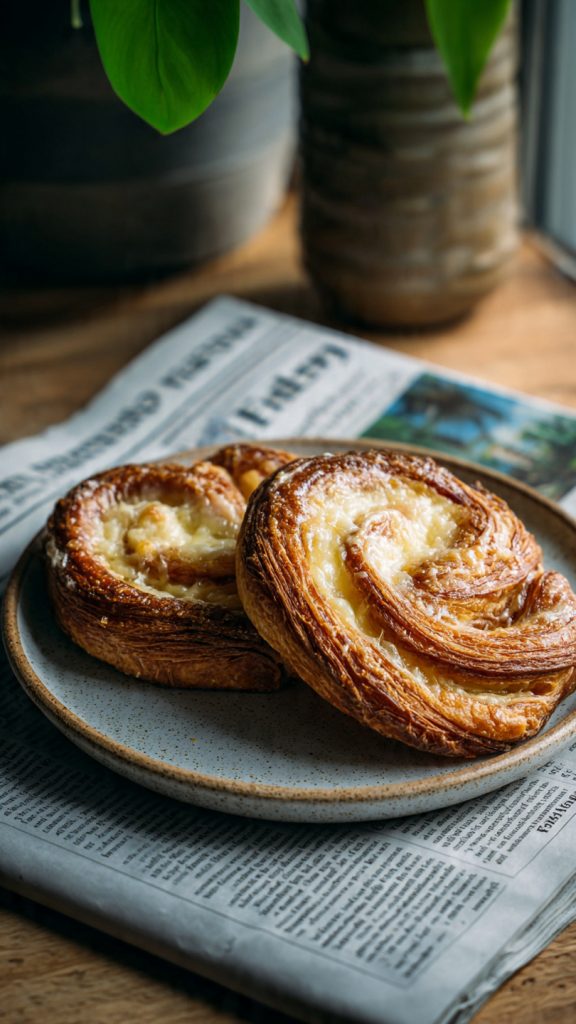
There’s something wonderfully comforting about biting into a warm, freshly baked cheese Danish—crisp, flaky layers giving way to a creamy, lightly sweet center. This easy version captures all that bakery-style magic without complicated steps or special skills. If you’ve ever wanted to make a pastry that looks impressive yet feels totally manageable on a busy morning or a cozy weekend, you’re in the right place. Expect buttery puff pastry, a velvety cream cheese filling, and a delicate vanilla glaze that ties everything together. I’ll walk you through it like a friend in the kitchen—calm, clear, and cheering you on.
What Makes This Easy Cheese Danish Irresistible
This recipe is all about simplicity meeting wow-factor results. Store-bought puff pastry keeps the process quick while delivering that signature layered flake. The filling is mellow and silky—just sweet enough—lifted with a hint of lemon and vanilla for a clean, bright finish. A light drizzle of glaze adds a bakery-style polish without extra fuss. From start to finish, you’ll have beautiful pastries on the table with minimal effort and maximum payoff.
Gather Your Ingredients for Cheese Danish Bliss
- Frozen puff pastry sheets (2 sheets), thawed – The shortcut to those beautiful, flaky layers. Thaw according to package instructions for easy handling.
- Cream cheese (8 oz/225 g), softened – Creates the creamy, rich filling that sets gently as the pastries bake.
- Granulated sugar (1/3 cup) – Sweetens the filling without overpowering the delicate pastry.
- Egg yolk (1) – Adds richness and helps the filling bake up velvety and stable.
- Pure vanilla extract (1 teaspoon) – Warms the flavor and complements the tang of the cream cheese.
- Lemon zest (1 teaspoon) and lemon juice (1 teaspoon) – Brightens the filling and balances sweetness.
- Fine salt (a pinch) – A little salt heightens all the flavors and keeps the filling from tasting flat.
- All-purpose flour (for dusting) – Prevents sticking when rolling or shaping the puff pastry.
- Egg (1), beaten with 1 teaspoon water – A quick egg wash that gives the pastry a golden, glossy finish.
- Raspberry or apricot jam (optional, 1/4 cup) – A spoonful tucked under or over the filling adds color and fruity contrast.
- Powdered sugar (3/4 cup) – Whisks into a smooth glaze that lightly kisses the tops of your pastries.
- Milk or cream (2–3 tablespoons) – Thins the glaze to a drizzly consistency.
- Almond extract (1/8 teaspoon, optional) – A subtle bakery-style note that pairs beautifully with the cheese filling.
How to Make It: A Step‑by‑Step Walkthrough
- Preheat your oven to 400°F (200°C). Line two baking sheets with parchment paper. A hot oven helps puff pastry rise tall and crisp.
- Make the filling: In a medium bowl, beat the softened cream cheese, granulated sugar, egg yolk, vanilla, lemon zest, lemon juice, and a pinch of salt until completely smooth and creamy. Set aside.
- Prepare the egg wash: In a small bowl, whisk the whole egg with 1 teaspoon of water until well combined.
- Unfold the thawed puff pastry onto a lightly floured surface. If the seams are visible or the sheet looks uneven, gently roll with a floured rolling pin to smooth and slightly enlarge it into roughly a 9 x 12-inch rectangle.
- Cut each puff pastry sheet into 4 equal rectangles (for a total of 8). Transfer the pieces to the prepared baking sheets, spacing them at least 2 inches apart.
- Create a border: Use a sharp knife to lightly score a 1/2-inch border around each rectangle, being careful not to cut all the way through. This tells the pastry where to puff and helps contain the filling.
- Dock the center by pricking it a few times with a fork. This keeps the middle flatter so the filling stays put.
- Brush the borders with egg wash for a glossy finish. Avoid the scored lines and center to keep the layers distinct.
- Spoon about 2 tablespoons of the cream cheese filling into the center of each pastry and spread it gently within the scored border. If using jam, add a small dollop (about 1 teaspoon) on top of the filling or swirl it lightly.
- Optional but helpful: Chill the assembled pastries on the baking sheet in the fridge for 10 minutes. Cold pastry puffs higher and spreads less.
- Bake for 18–22 minutes, rotating the pans halfway through, until the edges are deeply golden and the centers are just set.
- Cool on the baking sheets for 5 minutes, then slide the parchment onto a cooling rack. Let the pastries cool another 10 minutes before glazing.
- Make the glaze: Whisk the powdered sugar with 2 tablespoons milk or cream until smooth. If you like, add a tiny splash of almond extract. If the glaze is too thick, add more milk 1 teaspoon at a time.
- Drizzle the glaze over the warm pastries in thin zigzags. Serve warm or at room temperature.
- Enjoy right away for peak flakiness, or let them cool completely to pack for gifting or brunch platters.
When It’s Ready: Timing & Prep Details
Here’s a quick look at how your time will be spent so you can plan with confidence. Because puff pastry starts frozen, build in thawing time before you begin.
- Thawing puff pastry: 30–40 minutes at room temperature (follow package directions).
- Active prep time: About 20 minutes.
- Bake time: 18–22 minutes.
- Cooling and glazing: 10–15 minutes.
- Total time: Around 1 hour (including thawing) once you factor in all steps.
- Yield: 8 individual cheese Danishes.
They’re ready to enjoy when the pastry is puffed and golden with a set but creamy center. If you prefer them warm, plan to serve within 15 minutes of glazing. For a crisper bite later, skip the glaze until just before serving and re-crisp the pastries at 325°F (165°C) for 5–8 minutes.
Pro Tips for Consistent Success
- Keep the pastry cold. Warm puff pastry softens and won’t rise as dramatically. If it feels warm while you work, pop it back into the fridge for a few minutes.
- Don’t overfill. Two tablespoons of filling per pastry is plenty. Too much can spill over and prevent the center from setting.
- Score and dock. Scoring the border and pricking the center guide the pastry to lift evenly and hold the filling beautifully.
- Use parchment or a silicone mat. This prevents sticking and helps the bottoms bake evenly and crisp up.
- Rotate your pans. For even browning, switch the top and bottom racks and turn the sheets halfway through baking.
- Mix the filling thoroughly. A smooth filling bakes up creamy. If your cream cheese is too cold, microwave it for 10–15 seconds to soften—just enough to blend easily.
- Tune the glaze. Add milk drop by drop until it ribbons off the whisk. Too thin and it runs; too thick and it clumps.
- Try a fruity twist. A teaspoon of raspberry, cherry, or apricot jam makes a lovely contrast in color and flavor.
- Make-ahead options. Mix the filling up to 2 days ahead and refrigerate. You can also assemble the pastries, cover, and chill for up to 12 hours; bake fresh when needed.
- Storage and reheating. Store leftovers covered at room temperature for 1 day or refrigerated up to 3 days. Re-crisp at 325°F (165°C) for 5–8 minutes; glaze after reheating if possible.
- Freezing. Bake, cool, and freeze unglazed pastries for up to 2 months. Reheat at 350°F (175°C) for 8–12 minutes and glaze before serving.
Nutrition at a Glance
These values are estimates for one of eight Danishes, made with puff pastry, cream cheese, and a light glaze. Actual numbers will vary with brands and portion sizes.
- Calories: ~410
- Protein: ~6 g
- Total Carbohydrates: ~41 g
- Total Fat: ~25 g
- Saturated Fat: ~13 g
- Cholesterol: ~85 mg
- Sodium: ~310 mg
- Fiber: ~1 g
- Total Sugars: ~18 g
If you’re looking to lighten things up, you can reduce the glaze, use a lower-fat cream cheese, or make the Danishes a bit smaller for more servings.
Common Questions, Answered
Can I use crescent roll dough instead of puff pastry?
Yes. It won’t be as flaky as puff pastry, but it’s still delicious and very easy. Press the seams to seal, cut into squares or keep them as rectangles, and bake at 375°F (190°C) for about 12–15 minutes. Keep an eye on them; they brown faster than puff pastry.
Why did my filling leak or spread too much?
Most often, the pastry was warm or the filling amount was too generous. Use 2 tablespoons per pastry, score a border, and dock the center. Chilling the assembled pastries for 10 minutes before baking also helps the shape set.
How far in advance can I make these?
You can mix the filling up to 2 days ahead and keep it chilled. Assembled, unbaked pastries can be refrigerated for up to 12 hours before baking. Baked pastries keep well for 1 day at room temperature or up to 3 days in the fridge; re-crisp in a low oven and glaze just before serving.
A Sweet Note to Finish
There’s a small miracle in turning simple ingredients into something that feels special—especially when it doesn’t take all day. This easy cheese Danish delivers bakery-level results with a process that’s calm and approachable, whether you’re baking for a weekend breakfast, a holiday brunch, or just because you want your kitchen to smell like butter and vanilla. Share them warm, pass them around, and watch how quickly a plate of homemade pastries sparks conversation and smiles. When you’re ready to bake again, try a swirl of jam, a sprinkle of toasted almonds, or even a dusting of cardamom. It’s your kitchen—make it delicious, make it yours, and enjoy every flaky, creamy bite.