
Coffee Cinnamon Rolls Recipe: Soft, Gooey, and Easy Bake Now
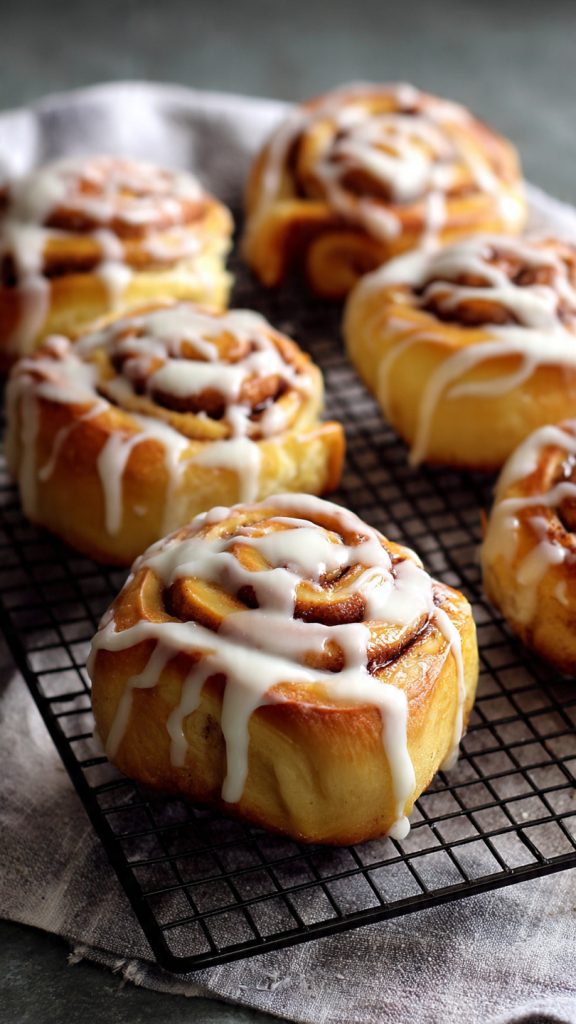
Imagine the cozy aroma of freshly brewed coffee curling through your kitchen, wrapped around swirls of cinnamon, brown sugar, and buttery pastry. That’s exactly what these Coffee Cinnamon Rolls deliver: soft, pillowy rolls infused with coffee in the dough and finished with a silky coffee icing. They’re indulgent enough for a weekend brunch, yet approachable for a weeknight bake if you plan ahead. In this guide, I’ll walk you through every step so you can bake rolls that are tender, well-risen, beautifully spiraled, and brimming with warm, café-style flavor.
- What Makes These Coffee Cinnamon Rolls Irresistible
- What You’ll Need: Ingredients with Purpose
- Your Roadmap: Step-by-Step Guide to Making Coffee Cinnamon Rolls
- All About the Clock: Timing & Preparation Details
- Pro Tips to Help You Nail It
- A Quick Nutrition Peek: Nutritional Snapshot
- Questions, Answered: Frequently Asked Questions
- Parting Notes: Final Thoughts
What Makes These Coffee Cinnamon Rolls Irresistible
These rolls take the classic cinnamon bun and dial up the comfort with a gentle coffee note that runs through both the dough and the icing. The result is layered flavor: fragrant cinnamon, toasty brown sugar, and a mellow espresso finish that balances sweetness without tasting bitter. The dough is soft and enriched, the filling caramelizes at the edges, and the coffee glaze adds a glossy, café-bakery touch. They’re familiar and nostalgic, but just unexpected enough to feel special.
What You’ll Need: Ingredients with Purpose
For the Dough
- All-purpose flour (3 1/2 to 4 cups | 420–480 g): The backbone of the dough; start on the lower end and add only as needed for a soft, slightly tacky dough.
- Warm brewed coffee (3/4 cup | 180 ml): Adds coffee flavor and moisture; aim for about 105–110°F (40–43°C) so it activates yeast without killing it.
- Whole milk (1/2 cup | 120 ml): Balances the coffee and enriches the dough for extra tenderness.
- Granulated sugar (1/3 cup | 65 g): Feeds the yeast and lightly sweetens the dough so the rolls brown beautifully.
- Instant yeast (2 1/4 tsp | 7 g): Ensures a strong rise; instant yeast can be mixed directly into the flour.
- Unsalted butter, softened (5 tbsp | 70 g): Enriches the dough, making it pillowy and flavorful.
- Large egg (1): Binds and adds richness for structure and softness.
- Salt (1 tsp): Balances sweetness and enhances flavor.
- Vanilla extract (1 tsp): Rounds out the aroma and complements coffee and cinnamon.
For the Filling
- Unsalted butter, very soft (6 tbsp | 85 g): Helps the sugar-cinnamon mixture adhere evenly to the dough.
- Brown sugar, packed (3/4 cup | 150 g): Melts into a caramel-like swirl with deep molasses notes.
- Ground cinnamon (1 1/2 tbsp): The star of the show—warm, aromatic, and comforting.
- Espresso powder (1–2 tsp): Boosts coffee flavor in the filling for a richer swirl.
- Pinch of salt: Just a little to sharpen the sweetness and enhance the spices.
- Optional chopped toasted pecans or walnuts (1/2 cup | 60 g): Adds crunch and a nutty counterpoint to the sweetness.
For the Coffee Icing
- Powdered sugar (1 1/2 to 2 cups | 180–240 g): The base of a silky, pourable icing.
- Strong brewed coffee (3–5 tbsp): Thins the icing and infuses a clear coffee flavor; add gradually to control thickness.
- Vanilla extract (1/2 tsp): Adds warmth and rounds the coffee notes.
- Pinch of fine salt: Balances sweetness so the glaze isn’t cloying.
- Optional cream cheese (2 oz | 60 g), softened: For a richer, tangier frosting that pairs beautifully with the coffee.
Your Roadmap: Step-by-Step Guide to Making Coffee Cinnamon Rolls
- Warm the liquids. In a small saucepan or microwave, gently warm the brewed coffee and milk together until they’re just warm to the touch (about 105–110°F / 40–43°C). Do not overheat—too hot and it can inhibit or kill the yeast.
- Mix the dough. In the bowl of a stand mixer (or a large bowl), combine 3 1/2 cups (420 g) flour, sugar, instant yeast, and salt. Add the warm coffee-milk mixture, egg, vanilla, and softened butter. Mix on low until a shaggy dough forms. If mixing by hand, stir with a sturdy spoon until combined.
- Knead to smooth. Knead with a dough hook on medium-low for 7–9 minutes (or by hand 9–11 minutes), adding small sprinkles of flour only if the dough is overly sticky. You’re aiming for a soft, slightly tacky dough that clears the sides of the bowl. It should stretch without tearing. Look for the “windowpane” effect—a small piece stretches thin and translucent.
- First rise. Shape the dough into a ball, place it in a lightly oiled bowl, turn to coat, and cover. Let rise in a warm, draft-free spot until doubled in size, 60–90 minutes. The dough should feel airy and puffed.
- Make the filling. In a bowl, stir together brown sugar, cinnamon, espresso powder, and a pinch of salt. Keep your butter very soft so it spreads easily without tearing the dough.
- Roll the dough. Turn the risen dough onto a lightly floured surface. Roll to a 12 x 18-inch (30 x 46 cm) rectangle with the long side facing you. Aim for even thickness, roughly 1/4 inch (6 mm).
- Spread and sprinkle. Gently spread the softened butter all over the dough, leaving a 1/2-inch (1.25 cm) border on the long far edge. Sprinkle the cinnamon-coffee sugar evenly over the butter. Add nuts if using and press lightly so they adhere.
- Roll and seal. Starting from the long edge closest to you, roll the dough up tightly into a log. When you reach the end, pinch the seam to seal and roll the log seam-side down to secure.
- Cut cleanly. Trim the ends if very uneven. Use unflavored dental floss to slice 12 even rolls: slide the floss under the log, cross the ends over the top, and pull tight to cut without squishing layers. Floss yields the cleanest spirals.
- Second rise. Arrange the rolls in a buttered 9 x 13-inch (23 x 33 cm) pan, leaving a bit of space between them. Cover and let rise until puffy and nearly touching, 30–45 minutes (longer if your kitchen is cool).
- Preheat and bake. Preheat the oven to 350°F (175°C). Bake for 22–27 minutes, rotating once, until the centers register about 190°F (88°C) and the tops are lightly golden. Don’t overbake—you want soft and tender, not dry.
- Make the icing. While the rolls bake, whisk powdered sugar, vanilla, salt, and 3 tbsp brewed coffee until smooth. Add more coffee, a teaspoon at a time, to reach a thick but pourable consistency. For a cream cheese frosting, beat the cream cheese until smooth first, then gradually add the sugar and coffee.
- Glaze and serve. Let the rolls cool 10–15 minutes. Spread or drizzle the icing over the warm rolls so it melts into the spirals. Serve warm and enjoy the coffee-cinnamon aroma filling the room.
All About the Clock: Timing & Preparation Details
If you’re planning brunch or a cozy gathering, here’s what to expect time-wise. Hands-on time is mostly in mixing, rolling, and icing; rests are for rising and baking.
- Prep and kneading: 25–30 minutes
- First rise: 60–90 minutes
- Shaping and filling: 15–20 minutes
- Second rise: 30–45 minutes
- Baking: 22–27 minutes
- Icing and cooling: 15 minutes
Total time: About 2.5 to 3.5 hours, mostly unattended during rises. Make-ahead option: After placing cut rolls in the pan, cover tightly and refrigerate overnight (8–12 hours). Let sit at room temperature for 45–60 minutes the next morning before baking. This makes fresh, warm rolls easy for breakfast guests.
When are they ready? When the tops are lightly golden, the centers are just set, and a thermometer reads ~190°F (88°C). The icing goes on while still warm, then they’re at peak gooeyness after about 10 minutes of resting.
Pro Tips to Help You Nail It
- Mind the liquid temperature. Keep the coffee and milk warm, not hot. Aim for 105–110°F (40–43°C) to keep yeast happy.
- Add flour gradually. Start with 3 1/2 cups (420 g) and add only if needed. A slightly tacky dough bakes up softer than a dry dough.
- Use the windowpane test. Proper kneading creates a strong yet tender structure. If a small piece stretches thin without tearing, you’re ready.
- Room-temp butter for filling. Too cold and it tears the dough; melted butter can leak. Very soft is the sweet spot.
- Floss for cutting. Dental floss or a thin, sharp knife keeps spirals intact. Sawing compresses layers and squeezes out filling.
- Don’t overproof. Rolls should be puffy with a gentle jiggle, not collapsed. Overproofed dough may deflate in the oven.
- Check early. Ovens vary; begin checking at 20 minutes. Pull when barely golden for the softest texture.
- Glaze while warm. The icing melts slightly into the crevices, giving that glossy bakery finish and locking in moisture.
- Flavor variations: Add a pinch of cardamom to the filling, stir mini chocolate chips into the swirl, or zest an orange into the dough for a citrus-coffee twist.
- Dairy-free swap: Use a rich, unsweetened plant milk and dairy-free butter; results stay soft and flavorful.
A Quick Nutrition Peek: Nutritional Snapshot
These values are approximate and based on 12 rolls with icing.
| Serving size | 1 roll |
| Calories | ~380 kcal |
| Total fat | 14 g |
| Saturated fat | 8 g |
| Carbohydrates | 56 g |
| Sugars | 26 g |
| Fiber | 2 g |
| Protein | 6 g |
| Sodium | ~260 mg |
| Caffeine | ~25–40 mg |
Keep in mind that exact nutrition will vary with ingredient brands, icing thickness, and any add-ins.
Questions, Answered: Frequently Asked Questions
Can I use active dry yeast instead of instant yeast?
Yes. Use the same amount (2 1/4 tsp), but proof it first in the warm coffee-milk mixture with a pinch of sugar for 5–10 minutes until foamy, then proceed. The rise times may be a touch longer.
How do I store and reheat leftover rolls?
Store covered at room temperature for 1–2 days or refrigerated up to 4 days. Reheat gently in a 300°F (150°C) oven for 8–10 minutes or microwave in 10–15 second bursts. A light splash of water over the rolls before reheating helps keep them moist.
Can I freeze these?
Absolutely. Freeze baked, un-iced rolls well-wrapped for up to 2 months. Thaw overnight in the fridge, warm in the oven, and then add fresh coffee icing. You can also freeze the shaped, unbaked rolls; thaw in the fridge overnight, proof until puffy, and bake.
Parting Notes: Final Thoughts
There’s something so welcoming about a pan of warm cinnamon rolls, and the coffee twist makes them feel like a café treat right from your kitchen. With a few simple techniques and a little patience, you’ll pull out a tray that’s soft, fragrant, and swirled with just the right amount of sweetness. Share them on a slow morning, bring them to a friend, or savor one quietly with your favorite mug—either way, you’ll taste the comfort and care in every bite. If you try them, I hope they become your new go-to for brunches, celebrations, and cozy days at home.