
Gingerbread Pancakes Recipe: Fluffy Spiced & Easy Breakfast
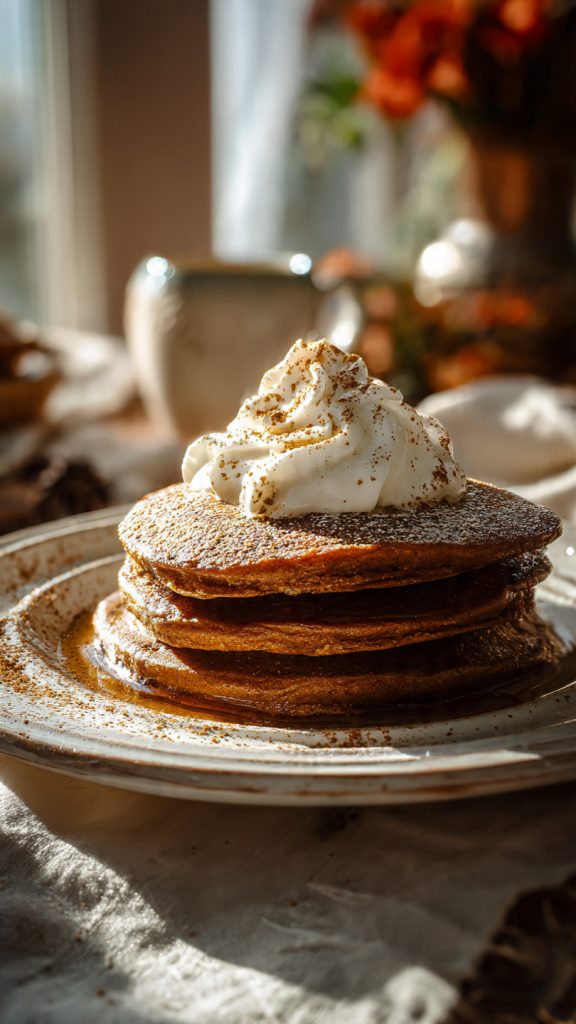
If you’re craving a breakfast that feels like a hug from the inside out, these gingerbread pancakes are your cozy-season dream come true. They’re tender and fluffy with warm spices, a hint of molasses, and that unmistakable gingerbread aroma that turns any morning into a special occasion. Whether you’re making them for a festive brunch, a lazy weekend, or simply because you deserve something cheerful, this recipe delivers big flavor with simple steps. Expect a stack that’s beautifully golden, lightly sweet, and perfectly balanced with spice—ready to be finished with maple syrup, a dollop of yogurt or whipped cream, and maybe a flurry of orange zest to brighten every bite.
What Makes These Gingerbread Pancakes Irresistible
Gingerbread pancakes are the kind of breakfast that brings a little celebration to an ordinary day. You get all the nostalgic notes of gingerbread cookies—ginger, cinnamon, cloves, a whisper of molasses—in a fluffy, tender pancake that cooks up beautifully on a simple skillet or griddle. They’re impressive enough for guests, but the batter comes together quickly with pantry basics. Plus, they’re versatile: you can make them dairy-free, swap in whole wheat flour for a heartier vibe, or add chocolate chips or toasted nuts if you want to dress them up. Most importantly, they taste like comfort, without being overly sweet or heavy.
What You’ll Need: Ingredients for Gingerbread Pancakes
- All-purpose flour (1 1/2 cups / 190 g) – The base that gives the pancakes structure while keeping them soft.
- Baking powder (1 1/2 teaspoons) – Helps the pancakes rise for a light, fluffy texture.
- Baking soda (1/2 teaspoon) – Reacts with the acidic ingredients (molasses and buttermilk) for extra lift and tenderness.
- Kosher salt (1/2 teaspoon) – Balances sweetness and sharpens the spice flavors.
- Ground ginger (2 teaspoons) – The star spice that brings classic gingerbread warmth and zing.
- Ground cinnamon (1 teaspoon) – Adds cozy sweetness and rounds out the spice blend.
- Ground nutmeg (1/4 teaspoon) – A subtle, nutty depth that enhances the overall warmth.
- Ground cloves (1/8 teaspoon) – Potent and aromatic; a little goes a long way for authentic gingerbread character.
- Brown sugar (3 tablespoons, light or dark) – Gentle sweetness with a touch of molasses richness.
- Unsulphured molasses (1/4 cup / 60 ml) – Signature gingerbread flavor and color, plus moisture.
- Large egg (1) – Binds the batter and adds richness for better texture.
- Buttermilk (1 1/4 cups / 300 ml) – Tangy and tenderizing; helps create an airy crumb. Milk works, but buttermilk is best.
- Unsalted butter, melted (2 tablespoons) or neutral oil – Adds moisture and a soft, tender bite.
- Vanilla extract (1 teaspoon) – Rounds out the flavors with a gentle sweetness.
- Butter or oil for the pan – Prevents sticking and helps the pancakes brown evenly.
- Optional add-ins – Mini chocolate chips, chopped pecans, or candied ginger for extra personality.
- Optional toppings – Maple syrup, whipped cream or Greek yogurt, a sprinkle of cinnamon, and orange zest to brighten.
How to Cook Them: A Step-by-Step Guide
- Warm your skillet or griddle. Set a nonstick skillet or griddle over medium heat (about 375°F/190°C if adjustable). Give it time to preheat so your first pancakes cook evenly.
- Whisk the dry ingredients. In a large bowl, whisk the flour, baking powder, baking soda, salt, ginger, cinnamon, nutmeg, cloves, and brown sugar until everything looks evenly combined and the spices are well distributed.
- Combine the wet ingredients. In a separate bowl or large measuring cup, whisk together the buttermilk, egg, melted butter (or oil), molasses, and vanilla until smooth and glossy.
- Bring the batter together. Pour the wet mixture into the dry ingredients. Using a spatula, fold gently until just combined. A few small lumps are okay. Do not overmix—overworking the batter can make the pancakes tough.
- Rest the batter briefly. Let the batter sit for 5–10 minutes. This short rest allows the flour to hydrate and the leaveners to start working, leading to a fluffier stack.
- Grease the pan and portion. Lightly butter or oil your hot griddle. Scoop about 1/4 cup of batter per pancake, leaving space between them so they have room to spread.
- Cook the first side. Cook for 2–3 minutes, until you see small bubbles form on the surface and the edges look slightly set. Peek underneath—if it’s a deep golden brown, you’re ready to flip.
- Flip and finish. Carefully flip each pancake and cook for another 1–2 minutes, until the center springs back when lightly pressed and the bottoms are golden.
- Keep them warm. Transfer cooked pancakes to a baking sheet and keep in a 200°F (95°C) oven while you finish the batch. This prevents sogginess and keeps the texture ideal for serving.
- Plate and garnish. Stack the pancakes high and finish with maple syrup, a dollop of whipped cream or Greek yogurt, a sprinkle of cinnamon, and a little orange zest for brightness. Add nuts or chocolate chips if you like a bit of crunch or extra indulgence.
Time & Prep: When Your Pancakes Are Ready
These gingerbread pancakes are wonderfully weekender-friendly. Here’s what to expect time-wise:
- Prep time: 10 minutes
- Batter rest: 5–10 minutes (worth it for fluffiness)
- Cook time: 12–15 minutes for a full batch
- Total time: About 30 minutes
- Yield: 8–10 pancakes (4 servings)
As soon as the pancakes are cooked through and lightly springy to the touch, they’re ready to enjoy. If you’re cooking for a crowd, the low oven trick keeps them warm without drying out, so everyone can sit down to a hot, cozy plate all at once.
Helpful Tips to Make Them Turn Out Perfect
- Mind the heat. Medium to medium-low heat is your friend. If your pancakes are browning too fast before cooking through, reduce the heat and give the pan a moment to cool slightly.
- Don’t skip the rest. A brief rest allows the batter to thicken slightly and improves texture. It’s a small step with a big payoff.
- Stir gently. Mix the batter just until the flour disappears. A few small lumps prevent overmixing and keep pancakes tender.
- Use fresh spices. Ground spices fade over time. If yours are older, you might want to add an extra pinch of ginger or cinnamon for bold flavor.
- Try buttermilk for the best rise. Regular milk works, but the acidity of buttermilk reacts with baking soda for an extra fluffy pancake.
- Customize thoughtfully. Fold in mini chocolate chips, chopped pecans, or diced candied ginger at the very end. If adding fruit (like diced pears), keep pieces small so the pancakes cook evenly.
- Keep them warm properly. Holding pancakes in a 200°F (95°C) oven on a wire rack over a sheet pan helps maintain crisp edges and prevents sogginess.
- Make them ahead. The cooked pancakes freeze well. Cool fully, then freeze in a single layer before stacking with parchment. Reheat in a toaster oven or skillet.
- Balance the sweetness. These pancakes have gentle sweetness, so choose toppings accordingly. Maple syrup, honey, or even a citrusy yogurt are lovely without overpowering the spice.
Nutrition at a Glance
Below is an approximate nutritional breakdown per serving (2 pancakes) without toppings. Numbers may vary based on ingredient brands and exact pancake size.
| Nutrient | Approx. Amount per Serving |
|---|---|
| Calories | 310 |
| Protein | 7 g |
| Carbohydrates | 48 g |
| Total Fat | 9 g |
| Saturated Fat | 4 g |
| Fiber | 2 g |
| Total Sugars | 18 g |
| Sodium | 520 mg |
Tip: Want to lighten things up? Swap half the all-purpose flour for white whole wheat, use oil instead of butter, and serve with fresh fruit and a spoonful of yogurt instead of whipped cream.
Common Questions, Answered
Can I make the batter the night before?
You can mix the dry ingredients and wet ingredients separately the night before, then combine them in the morning. Once mixed, the leaveners start working, so it’s best to cook the batter within 30 minutes for optimal rise. If you must mix it fully ahead, expect slightly less lift; add a splash of milk if it thickens too much overnight.
What can I use instead of molasses?
Molasses gives that signature gingerbread depth, but you can substitute with an equal amount of dark brown sugar plus 1 tablespoon of maple syrup or honey. The flavor won’t be exactly the same, but it will still be warmly spiced and delicious.
How do I make these gluten-free or dairy-free?
For gluten-free, use a 1:1 gluten-free baking flour blend and let the batter rest a little longer (10–15 minutes) to hydrate. For dairy-free, swap buttermilk with a mix of 1 1/4 cups unsweetened non-dairy milk and 2 teaspoons lemon juice or vinegar; use oil instead of butter. The texture stays soft and the spice shines through.
A Cozy Closing Note
There’s something so welcoming about a stack of gingerbread pancakes on the table—steam curling up, syrup glistening, and that comforting spice drifting through the kitchen. It’s the kind of breakfast that invites people to linger, chat, and savor the moment. I hope this recipe becomes one you return to whenever you want a little warmth and cheer, whether it’s a festive morning or a simple Sunday with someone you love. Cook them slowly, serve them generously, and enjoy all the small, happy details: the crisp edges, the tender centers, and the way they make the whole house smell like the holidays. Happy cooking—and even happier eating.