
Baked Feta Eggs Recipe: Easy Breakfast in 20 Minutes + Tips!
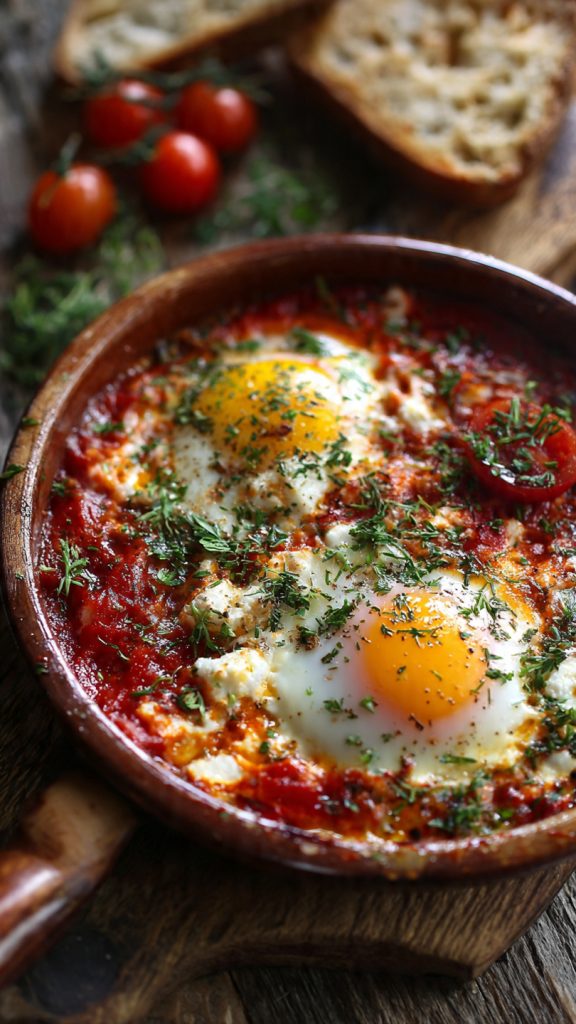
If you’re craving a cozy, savory breakfast that feels indulgent yet comes together with minimal fuss, Baked Feta Eggs are about to become your new favorite. Imagine a warm dish of blistered cherry tomatoes, fragrant garlic, and a creamy bed of tangy feta, all tucked under gently baked eggs with just-set whites and rich, silky yolks. It’s the kind of meal that brightens a lazy morning and feels just as perfect for a weeknight dinner with crusty bread and a simple green salad.
What you can expect from this recipe: reliable results, bold Mediterranean flavors, and a method that’s easy to customize. Whether you’re cooking for yourself, feeding a friend, or pulling together a last-minute brunch, these Baked Feta Eggs deliver comfort and elegance in one baking dish. Let’s make something delicious together.
What Makes These Baked Feta Eggs Irresistible
This dish hits that sweet spot between simple and special. The oven does most of the work: tomatoes soften and release their juices, which mingle with olive oil and herbs to create a built-in sauce. Feta melts into the mix, turning creamy and almost spreadable. Then the eggs bake right on top, so each spoonful has a bit of everything—juicy tomato, salty cheese, and tender egg.
It’s also incredibly flexible. You can keep it classic with tomatoes and oregano or add spinach, olives, or chili flakes for a little kick. It’s equally at home with buttery toast, pita, or a bowl of warm grains. The best part is how approachable it is: you’ll have a restaurant-worthy dish with minimal prep and a short ingredient list.
What You’ll Need for Baked Feta Eggs
- Cherry or grape tomatoes (2–3 cups) — Provide sweetness, acidity, and a juicy base that melts into a sauce.
- Feta cheese (200 g / about 7 oz) — The star ingredient; salty, tangy, and creamy when baked. A block works best, but crumbled is fine.
- Large eggs (4) — The protein and heart of the dish; bake until just set for velvety yolks.
- Extra-virgin olive oil (2 tablespoons) — Adds richness and helps tomatoes blister and caramelize.
- Garlic (2–3 cloves, thinly sliced) — Infuses the sauce with warm, savory aroma.
- Red onion or shallot (1 small, thinly sliced) — Adds sweetness and complexity when roasted.
- Crushed red pepper flakes (¼–½ teaspoon) — Brings gentle heat; adjust to taste.
- Dried oregano or thyme (1 teaspoon) — A classic Mediterranean herbal note that complements feta.
- Fresh basil or parsley (small handful, chopped) — For bright, fresh finish.
- Baby spinach (2 cups, optional) — Wilts into the sauce, adding color and extra nutrients.
- Kalamata olives (¼ cup, pitted and halved, optional) — Depth and briny contrast that pairs beautifully with feta.
- Lemon zest (from ½ lemon, optional) — A final touch of brightness to lift the flavors.
- Salt and black pepper — Season to taste; go light on salt because feta is naturally salty.
- To serve: crusty bread, pita, or cooked grains — Perfect for scooping up the saucy goodness.
How to Make Baked Feta Eggs, Step by Step
- Heat the oven. Preheat to 400°F (200°C). Place a medium baking dish (about 8x8 inches or similar) on the counter so you can build the dish right in it.
- Build the tomato base. Add cherry tomatoes, onion, and garlic to the dish. Drizzle with olive oil, sprinkle with red pepper flakes, oregano, a pinch of salt, and a few grinds of black pepper. Toss gently to coat.
- Add the feta. Nestle the block of feta in the center (or scatter crumbles evenly). If using olives, tuck them around the feta. This will help the cheese baste in tomato juices as it bakes.
- Roast until juicy. Bake for 15–18 minutes, or until tomatoes are starting to burst and the feta looks softened around the edges. The dish should be sizzling lightly.
- Optional greens. If using spinach, remove the dish carefully, add the leaves, and fold them into the hot tomato mixture. They’ll wilt almost instantly in the heat.
- Make wells for the eggs. Use a spoon to create four small indentations in the mixture. This helps keep the eggs centered and encourages even cooking.
- Add the eggs. Crack one egg into each well. Sprinkle a pinch of salt and pepper over the eggs. Tip: If you’re worried about shells, crack into a small bowl first, then pour gently into the dish.
- Bake to desired doneness. Return to the oven and bake 8–12 minutes, depending on how runny you like your yolks. Start checking at 8 minutes. The whites should be mostly opaque with a slight jiggle in the center.
- Finish with freshness. Remove from the oven. Zest lemon lightly over the top (if using) and scatter with chopped basil or parsley. Let it rest 2 minutes to settle—this also helps the whites finish setting.
- Serve and enjoy. Spoon into shallow bowls and serve with warm bread, pita, or grains. The sauce is too good to leave behind.
Prep, Bake, and Serving Timeline
These Baked Feta Eggs come together quickly, making them ideal for brunch or a weeknight dinner. Here’s a simple timeline to keep you on track:
- Prep time: 10 minutes (halve tomatoes if large, slice onion and garlic, gather seasonings)
- Initial roast: 15–18 minutes (to burst tomatoes and soften feta)
- Egg bake time: 8–12 minutes (depending on yolk preference)
- Rest: 2 minutes (to let the whites finish setting and flavors meld)
- Total time: About 35–40 minutes
- Serves: 2 generously, or 3 with sides
When is it ready? The dish is ready when tomato juices are bubbling, the feta is soft, and the egg whites are opaque with slightly jiggly yolks (or fully set, if that’s your preference). Serve immediately for the best texture and warmth.
Helpful Tips and Little Tricks
- Use a block of feta if possible. Blocks tend to be creamier than pre-crumbled and melt into the sauce more luxuriously.
- Mind the salt. Feta and olives are salty, so taste the tomato base before adding extra salt. You can always add more at the end.
- Adjust heat levels. For a spicy kick, add more red pepper flakes or a pinch of Aleppo pepper. For mild, keep it to a whisper or omit.
- Keep an eye on the eggs. Oven temperatures vary. Start checking at the 8-minute mark to avoid overcooking the yolks.
- Broil carefully for just-set whites. If the whites need a little help, broil on low for 30–60 seconds. Watch closely to prevent overcooking.
- Add greens thoughtfully. If using spinach, stir it in right after the initial roast so it wilts without watering down the sauce.
- Make it heartier. Serve over cooked farro, quinoa, or couscous to turn this into a more substantial meal.
- Brighten at the end. A touch of lemon zest or a squeeze of lemon juice adds freshness and balances the feta’s richness.
- Choose the right baking dish. A smaller dish keeps everything snug, which encourages the tomatoes to release their juices and baste the feta properly.
- Want a stovetop alternative? Sauté tomatoes, onion, and garlic in an oven-safe skillet until saucy, nestle in the feta, then crack eggs and cover on low until set. It’s a great option in hot weather.
Nutrition at a Glance
These values are estimates for one serving when the dish is divided into two servings. Actual values will vary based on brands and exact quantities.
| Nutrient | Approx. per serving |
|---|---|
| Calories | 550 |
| Protein | 25 g |
| Total Fat | 44 g |
| Saturated Fat | 19 g |
| Carbohydrates | 9 g |
| Fiber | 3 g |
| Sugars | 6 g |
| Sodium | 1100 mg |
Note: To reduce sodium and saturated fat, use less feta, choose a lower-sodium variety, and add extra tomatoes or greens to stretch the dish.
Common Questions, Answered
Can I make this ahead?
You can roast the tomato, onion, and feta base ahead of time (up to 2 days) and refrigerate it. When ready to serve, rewarm the base in the oven until bubbling, then add the eggs and bake until done. Tip: Bring the dish closer to room temperature before reheating to prevent thermal shock.
What type of feta should I buy?
Greek feta packed in brine is ideal—it’s creamier and more flavorful than dry, pre-crumbled versions. Sheep’s milk or a sheep/goat blend offers particularly good richness. If you only have crumbled feta, it still works; just scatter it evenly so it can melt into the sauce.
How do I know when the eggs are done?
Look for whites that are opaque and mostly set with a slight wobble in the center. For runny yolks, start checking at 8 minutes; for jammy yolks, aim for 10–11 minutes; for fully set, go closer to 12 minutes. Remember that the eggs continue to cook slightly from residual heat after you remove the dish from the oven.
A Few Parting Thoughts
There’s something undeniably comforting about a dish that invites you to gather around the table and scoop from the same warm pan. Baked Feta Eggs have that magic. They feel abundant and generous without demanding hours in the kitchen, and the flavors are familiar yet vibrant. It’s the kind of recipe you’ll return to whenever you want to cook with ease and serve with pride.
I hope this becomes a staple in your kitchen—adapt it with what you have, make it your own, and share it with someone you love. Happy cooking, and enjoy every bite.