
Biscoff Cookie Butter Cinnamon Rolls Recipe with Cream Icing
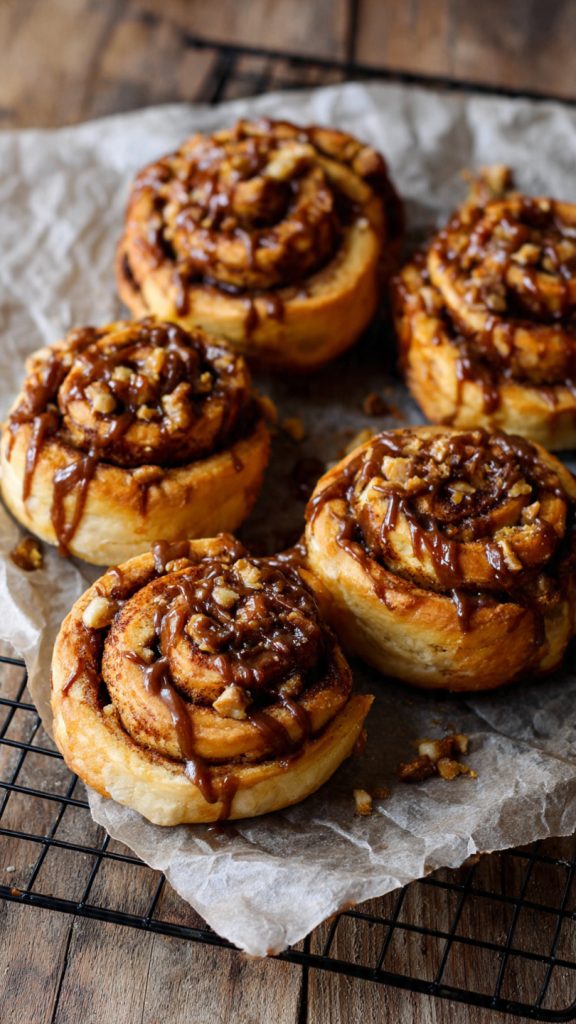
If you’re craving something cozy, buttery, and totally irresistible, Biscoff Cookie Butter Cinnamon Rolls might be your new favorite baking project. These rolls are plush and pillowy with swirls of warm cinnamon, a ribbon of creamy Biscoff cookie butter, and a luxurious frosting that melts into every spiral. Expect a kitchen that smells like a bakery, a pan that disappears quickly, and a recipe you’ll reach for any time you want to make a morning (or any moment) feel special.
- Why These Biscoff Cookie Butter Cinnamon Rolls Win Hearts
- What You’ll Need: Ingredients With Purpose
- Your Roadmap: Step-by-Step to Buttery, Swirled Perfection
- Time-Saving Notes and When They’re Ready
- Practical Tips for Fluffy, Flavor-Packed Rolls
- Nutrition at a Glance
- Common Questions, Answered
- Parting Thoughts
Imagine a classic cinnamon roll—soft, fluffy, and sweet—then layer in the deep, caramelized notes of Biscoff cookie butter and the delicate crunch of crushed Biscoff biscuits. That’s the magic here. The dough is tender and rich, the filling is fragrant and a little toasty, and the frosting ties it all together with a silky Biscoff finish. They’re indulgent without being heavy, impressive without being fussy, and completely worth every minute of the process.
What You’ll Need: Ingredients With Purpose
Dough
- Warm whole milk, 1 cup (240 ml), 105–115°F – Hydrates the dough and creates a soft, tender crumb.
- Instant or active dry yeast, 2 1/4 tsp (7 g) – Leavens the dough, giving you lofty, bakery-style rolls.
- Granulated sugar, 1/4 cup (50 g) – Feeds the yeast and adds subtle sweetness to the dough itself.
- Unsalted butter, softened, 1/4 cup (55 g) – Enriches the dough for softness and flavor.
- Large eggs, 2 (room temperature) – Add structure, richness, and extra tenderness.
- All-purpose flour, 3 3/4 to 4 cups (470–500 g) – The backbone; start with less and add until the dough is soft and slightly tacky.
- Fine salt, 1 tsp – Balances sweetness and enhances flavor.
- Vanilla extract, 1 tsp (optional) – Adds a gentle aromatic note.
Filling
- Biscoff Cookie Butter spread, 3/4 cup (180 g), gently warmed – The star; gives caramelized, spiced cookie flavor.
- Light brown sugar, 1/2 cup (100 g) – Melts into a syrupy layer that caramelizes slightly as the rolls bake.
- Ground cinnamon, 2 tsp – Classic warmth that pairs beautifully with Biscoff.
- Fine salt, 1/4 tsp – Ensures the filling isn’t overly sweet.
- Unsalted butter, melted, 2 tbsp (28 g) – Helps the filling adhere and keeps the interior extra plush.
- Lotus Biscoff cookies, crushed, 1 cup (about 80 g) – Adds delicate crunch and amplifies the flavor.
Frosting
- Cream cheese, softened, 4 oz (113 g) – Tangy base that balances sweetness.
- Unsalted butter, softened, 3 tbsp (42 g) – Adds silkiness and richness.
- Biscoff Cookie Butter, 1/3 cup (90 g) – Infuses the frosting with that signature cookie flavor.
- Powdered sugar, sifted, 1 1/2 cups (180 g) – Sweetens and gives body to the frosting.
- Milk or cream, 1–3 tbsp – Adjusts to your preferred frosting consistency.
- Vanilla extract, 1 tsp – Smooths the flavor.
- Pinch of fine salt – Rounds out the sweetness.
- Extra crushed Biscoff cookies, for garnish (optional) – A final touch of crunch and flair.
Your Roadmap: Step-by-Step to Buttery, Swirled Perfection
- Warm the milk and prep the yeast. Heat the milk until it’s warm to the touch (105–115°F). If using active dry yeast, sprinkle it over the milk with a pinch of sugar and let it stand for 5–10 minutes, until foamy. If using instant yeast, you can add it directly with the flour in Step 3.
- Combine the wet ingredients. In a large bowl (or the bowl of a stand mixer), whisk the warm milk-yeast mixture, granulated sugar, softened butter, eggs, and vanilla until fairly smooth. Don’t worry if the butter looks a bit separated—it will incorporate as you knead.
- Bring the dough together. Add 3 3/4 cups (470 g) flour and the salt. Mix with a dough hook on low (or a wooden spoon) until a shaggy dough forms. If the dough is very sticky, add more flour 1 tablespoon at a time until it’s soft, slightly tacky, and pulls away from the sides of the bowl.
- Knead until smooth and elastic. Knead by mixer on medium-low for 6–8 minutes, or by hand for 8–10 minutes on a lightly floured surface, until the dough is supple and elastic. It should stretch without tearing. Tip: A small amount of tackiness is ideal—over-flouring makes dense rolls.
- First rise. Shape the dough into a ball and place it in a lightly greased bowl. Cover and let rise in a warm spot until doubled, about 60–90 minutes, depending on room temperature.
- Prepare the pan and filling. Grease and line a 9×13-inch (23×33 cm) baking pan with a parchment sling for easy removal. In a small bowl, mix the brown sugar, cinnamon, and salt. Gently warm the Biscoff cookie butter until spreadable (microwave 10–15 seconds) and melt the butter.
- Roll out the dough. Turn the risen dough onto a lightly floured surface and roll into a 12×18-inch (30×45 cm) rectangle, with the long side facing you. Aim for even thickness so the rolls bake uniformly.
- Layer the filling. Brush the dough with melted butter. Spread the warmed cookie butter evenly over the surface, leaving a 1/2-inch (1.25 cm) border along the top long edge. Sprinkle the cinnamon-sugar mixture evenly over the cookie butter, then scatter the crushed Biscoff cookies on top.
- Roll and tighten. Starting with the long edge closest to you, roll the dough into a snug log. When you reach the top border, pinch the seam to seal. Tip: For neater slices, chill the log on a sheet pan in the freezer for 8–10 minutes to firm up the filling.
- Cut the rolls. Using unflavored dental floss or a sharp serrated knife, slice the log into 12 even rolls (about 1.5 inches/4 cm each). To use floss, slide it under the log, cross the ends over the top, and pull tight for clean cuts that won’t squish the spirals.
- Second rise. Arrange the rolls in the prepared pan with a bit of space between each. Cover loosely and let rise until noticeably puffy and nearly touching, about 45–75 minutes. They should jiggle slightly when the pan is gently shaken.
- Preheat and bake. Near the end of the second rise, preheat the oven to 350°F (175°C). Bake the rolls for 22–28 minutes, until lightly golden at the edges and the centers register about 190–195°F (88–90°C). If the tops brown too quickly, tent with foil during the last minutes.
- Make the frosting. While the rolls bake, beat the cream cheese and butter until smooth and fluffy. Mix in the Biscoff cookie butter, then add powdered sugar, vanilla, salt, and enough milk to reach a creamy, spreadable consistency.
- Frost while warm. Let rolls cool for about 5–10 minutes in the pan. Spread half the frosting over the warm rolls so it melts into the spirals, then finish with the remaining frosting for a soft, swirled top. Sprinkle extra crushed Biscoff cookies if you like.
- Serve and store. Enjoy warm. Leftovers keep covered at room temperature for 1–2 days or refrigerated for 4–5 days. Rewarm individual rolls in the microwave for 15–20 seconds to bring back that just-baked softness.
Time-Saving Notes and When They’re Ready
- Yield: 12 generous rolls
- Active prep: about 25–35 minutes
- First rise: 60–90 minutes
- Assembly: 15–20 minutes
- Second rise: 45–75 minutes
- Bake: 22–28 minutes
- Cool and frost: 10 minutes
- Total time: about 3–4 hours, mostly hands-off
Overnight option: After slicing and placing in the pan, cover tightly and refrigerate overnight. The next morning, let the rolls sit at room temperature for 45–75 minutes until puffy, then bake as directed. You’ll have warm, fresh rolls with almost no morning prep.
Your rolls are ready to enjoy once they’re lightly golden, the centers are baked through, and the frosting has had a moment to settle in. If you’re planning a brunch, count backward so the second rise finishes right when the oven is hot.
Practical Tips for Fluffy, Flavor-Packed Rolls
- Mind the milk temperature: Milk that’s too hot can kill yeast; aim for pleasantly warm, not hot. If in doubt, use a thermometer.
- Measure flour by weight if possible: If using cups, fluff the flour, spoon it into the cup, and level. Too much flour leads to dense rolls.
- Embrace a slightly tacky dough: Resist adding flour too quickly. A soft dough bakes up pillowy and tender.
- Proof in a cozy spot: Ideal dough-rising temperature is around 75–80°F (24–27°C). A turned-off oven with the light on works well.
- Roll with purpose: Keep the dough rectangle even and the log snug, which leads to tidy spirals and even baking.
- Cut with floss for clean spirals: It prevents squashing and keeps all that filling where it belongs.
- Don’t overbake: Pull the rolls when they’re just golden and set; residual heat will finish the centers. An instant-read thermometer is your friend.
- Frost in two stages: A first swipe while warm sinks in deliciously; a second layer creates that luscious bakery-style finish.
- Flavor twists: Add a whisper of orange zest to the dough or frosting, or a pinch of cardamom to the filling for a gentle lift.
- Make-ahead and freeze: Freeze shaped, unbaked rolls tightly wrapped for up to 2 months. Thaw overnight in the fridge, proof until puffy, then bake.
Nutrition at a Glance
These values are approximate and will vary with portion size and ingredient brands. Per one frosted roll (1/12 of recipe):
- Calories: ~560
- Carbohydrates: ~78 g
- Protein: ~8 g
- Total fat: ~23 g
- Saturated fat: ~12 g
- Sugars: ~38 g
- Fiber: ~2 g
- Sodium: ~320 mg
Note: For a lighter option, use a thinner layer of frosting or swap some powdered sugar for Greek yogurt in the frosting and adjust sweetness to taste.
Common Questions, Answered
Can I make these cinnamon rolls the night before?
Yes. After slicing and placing the rolls in the pan, cover tightly and refrigerate overnight. The next day, let them come to room temperature and proof until noticeably puffy (about 45–75 minutes) before baking. This schedule is perfect for brunch or holidays.
What if I don’t have a stand mixer?
No problem. Mix the dough with a sturdy spoon until shaggy, then knead by hand for 8–10 minutes on a lightly floured surface. The dough should be smooth, stretchy, and slightly tacky.
How do I prevent the rolls from unraveling or gaps forming?
Roll the dough snugly, pinch the seam well, and place the cut rolls seam-side in toward neighboring rolls. Proper proofing (until puffy and jiggly) and cutting with floss also help maintain tight spirals.
Parting Thoughts
There’s something wonderfully comforting about a pan of freshly baked cinnamon rolls—especially when they’re enriched with the caramelized spice of Biscoff. From the soft dough to the swirls of cookie butter and the creamy frosting, every step is a small moment of joy. Whether you’re baking for a cozy morning at home or sharing with friends, these rolls invite people to gather, slow down, and savor. I hope this recipe becomes one you reach for often—and that every time you make it, your kitchen fills with warmth and the kind of aroma that tells everyone, “something special is happening here.” Enjoy every bite.