
Ultimate Cannoli French Toast Recipe | Crispy Creamy Ricotta
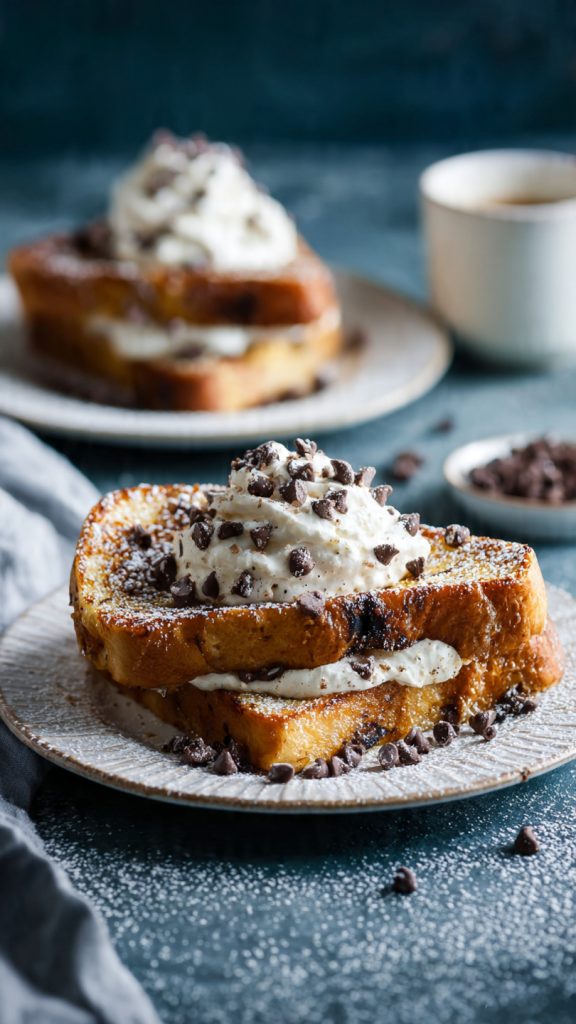
In this recipe, you’ll toast thick slices of brioche or challah until they’re crisp at the edges and pillowy inside, then sandwich them with a cool, lightly sweet cannoli cream. A dusting of powdered sugar and a sprinkle of pistachios finishes everything with a little bakery-style flair. Expect a balanced plate—rich, yes, but also bright, thanks to citrus zest and a gentle hint of cinnamon. Whether you’re hosting brunch or treating yourself to a slower morning, this is the kind of dish that makes the coffee taste better and the kitchen feel warmer.
What Makes This Cannoli French Toast Irresistible
This dish is all about contrast: crisp meets creamy, warm meets cool, and nostalgic French toast meets the joyful flavors of a cannoli. Instead of being cloyingly sweet, the ricotta brings gentle tang while mascarpone adds silky richness. Chocolate chips offer texture, pistachios add crunch, and orange zest brightens every bite. The best part? It’s surprisingly simple. You can prep the filling ahead, cook the toast in minutes, and assemble just before serving. The result feels bakery-worthy without a bakery trip.
What You’ll Need: Ingredients, Explained
For the cannoli cream filling
- 1 cup whole-milk ricotta, drained — The classic cannoli base; draining removes excess moisture for a thicker, creamier filling.
- 1/2 cup mascarpone — Adds luxurious silkiness and helps the filling set without being too dense.
- 1/3 cup powdered sugar — Sweetens while keeping the texture ultra-smooth.
- 1 teaspoon pure vanilla extract — Rounds out the flavors with warm, aromatic notes.
- 1 teaspoon orange zest (or lemon) — Adds that unmistakable Sicilian brightness; balances richness.
- Pinch of ground cinnamon — A subtle warmth that makes everything cozier.
- 1/3 cup mini chocolate chips — Classic cannoli crunch and chocolatey bursts in every bite.
- 2 tablespoons chopped pistachios (optional) — For a nutty snap and pretty green color.
- Pinch of fine sea salt — Enhances sweetness and lifts the flavors.
For the French toast
- 8 slices brioche or challah (3/4-inch thick) — Rich, slightly sweet bread that soaks up custard without falling apart; day-old is ideal.
- 3 large eggs — The backbone of a custardy soak; helps the toast set and brown beautifully.
- 3/4 cup whole milk or half-and-half — Provides moisture and richness; choose half-and-half for a more decadent bite.
- 1/4 cup heavy cream (optional) — For an extra-lush custard if you’re leaning into indulgence.
- 1 tablespoon granulated sugar — Encourages caramelization and slight sweetness on the surface.
- 1 teaspoon pure vanilla extract — Echoes the vanilla in the filling for harmony.
- 1/2 teaspoon ground cinnamon — Adds warmth and aroma without overpowering.
- 1 teaspoon orange zest (optional) — Mirrors the citrus note in the filling; a bright, cohesive touch.
- Pinch of fine sea salt — Balances the custard and highlights flavor.
- 2–3 tablespoons unsalted butter, plus more as needed — For golden, flavorful browning.
- 1 tablespoon neutral oil — Helps prevent the butter from burning; keeps the pan stable.
For serving and garnish
- Powdered sugar, for dusting — The classic French toast finish, light and pretty.
- Warm maple syrup or honey — Optional drizzle for extra sweetness and shine.
- Extra mini chocolate chips and chopped pistachios — A nod to cannoli toppings and added crunch.
- Fresh orange segments or berries — Bright, juicy contrast to the rich toast.
- Chocolate sauce or grated dark chocolate (optional) — For the chocolate lovers at the table.
How to Make It, Step by Step
- Line a fine-mesh strainer with cheesecloth or a clean kitchen towel and set it over a bowl. Spoon in the ricotta and chill for 30 minutes (longer if very wet). This quick drain ensures your filling is thick and luscious.
- In a medium bowl, whisk the drained ricotta, mascarpone, powdered sugar, vanilla, orange zest, cinnamon, and a pinch of salt until smooth and fluffy. Fold in mini chocolate chips and pistachios (if using). Cover and refrigerate while you make the French toast.
- In a shallow dish, whisk together eggs, milk (and heavy cream if using), sugar, vanilla, cinnamon, orange zest (if using), and a pinch of salt. Aim for a cohesive, well-blended custard without streaks of egg.
- Preheat a large nonstick or well-seasoned skillet over medium heat for 2–3 minutes. Add 1 tablespoon butter and a splash of oil; swirl to coat. Moderate heat is key—you want deep golden color without scorching.
- Working with two slices at a time, dip the bread into the custard for about 20–30 seconds per side, just until the bread is fully moistened but not collapsing. Let excess custard drip back into the dish.
- Place the soaked slices in the hot pan. Cook 2–3 minutes per side, until deeply golden and set in the center. Add more butter and oil between batches as needed to maintain a gentle sizzle.
- Transfer cooked slices to a wire rack set over a sheet pan, or keep warm in a 200°F (95°C) oven while you finish the rest. This prevents sogginess and preserves crisp edges.
- When all the toast is cooked, assemble: spread a generous layer of the chilled cannoli cream over one slice (about 3–4 tablespoons), then top with another slice to create a sandwich. Repeat with remaining pieces.
- For a bakery-style look, spoon the filling into a piping bag (or a zip-top bag with the corner snipped) and pipe it toward the edges so it peeks out prettily.
- Dust with powdered sugar, sprinkle with extra mini chips and pistachios, and garnish with orange segments or fresh berries. If you like, drizzle lightly with warm maple syrup or chocolate sauce.
- Serve immediately while the toast is warm and crisp and the filling is cool and creamy. That temperature contrast is magic.
Timing and Prep at a Glance
| Prep time | 20 minutes (plus 30 minutes to drain ricotta, recommended) |
| Cook time | 16–20 minutes total (in 2–3 batches) |
| Rest/hold time | Keep finished slices in a 200°F/95°C oven while cooking the rest |
| Total time | 35–45 minutes (including draining) |
| Yield | 4 servings (4 stuffed sandwiches; 8 slices total) |
The French toast is best enjoyed right away, when the outside is crisp and the filling is cool. If you’re planning ahead, you can make the filling up to 3 days in advance and refrigerate it in a covered container. Toast the bread fresh for the best texture.
Pro Tips for Fluffy, Golden Results
- Strain the ricotta for at least 30 minutes. Removing excess moisture keeps your filling thick, not runny.
- Use day-old brioche or challah so the slices soak up custard without falling apart.
- Moderate heat is your friend. Medium to medium-low ensures the custard sets through while the exterior turns a deep, even golden.
- Butter + oil together resist scorching and add lovely flavor and color.
- Don’t oversoak. Aim for 20–30 seconds per side. The bread should be saturated but still hold its structure.
- Keep it crisp. Finished slices on a wire rack (or in a low oven) stay crisp instead of steaming on a plate.
- Brighten with zest. A little orange (or lemon) zest keeps the dish lively and balanced.
- Adjust sweetness to taste. If you plan to drizzle syrup, keep the filling slightly less sweet; if skipping syrup, add a touch more powdered sugar.
- Pipe the filling for neat edges and a professional look; a zip-top bag works in a pinch.
- Make it lighter. Use part-skim ricotta and skip the heavy cream; the result remains creamy and delicious.
- Try the oven method. For a crowd, bake custard-soaked slices on a parchment-lined sheet at 375°F (190°C) for 10–12 minutes per side, then assemble with filling.
Nutrition at a Glance
The numbers below are estimates per serving (1 stuffed sandwich) and will vary based on ingredients and toppings. Calculated with whole-milk ricotta, mascarpone, milk plus optional cream, and without syrup.
- Calories: ~820
- Protein: ~22 g
- Carbohydrates: ~72 g
- Total Fat: ~48 g
- Saturated Fat: ~26 g
- Fiber: ~3 g
- Total Sugars: ~36 g
- Sodium: ~430 mg
Want to lighten it up? Use part-skim ricotta, skip the heavy cream, and dust lightly with powdered sugar instead of adding syrup. Small changes can trim calories without sacrificing joy.
Questions You Might Have
Can I make any part of this recipe ahead?
Yes. Make the cannoli filling up to 3 days in advance and store it covered in the fridge. You can also slice the bread and mix the custard the night before; just whisk the custard again in the morning before dipping. Cook the French toast fresh for the best texture.
Do I need mascarpone, or can I substitute it?
Mascarpone gives the filling its signature luscious feel, but you can replace it with 4 ounces of softened cream cheese for a slightly tangier, firmer filling. If you use cream cheese, beat it well to remove lumps before adding the ricotta and other ingredients.
Can I bake the French toast instead of pan-frying?
Absolutely. Arrange soaked slices on a parchment-lined sheet and bake at 375°F (190°C) for 10–12 minutes per side, until puffed and golden. This method is great for serving a crowd and keeps the stovetop free. Assemble with the chilled filling right before serving.
A Sweet Note to Finish
There’s something comforting about dishes that bring two traditions together, and this Cannoli French Toast does it with warmth and a wink. You get the weekend pleasure of French toast alongside the festive spirit of cannoli—no special occasion required, just a little time and a few ingredients. Whether you’re cooking for family, friends, or simply treating yourself, the blend of crisp bread, creamy filling, and bright citrus makes every bite feel celebratory. Serve it with a hot cup of coffee or a pitcher of fresh orange juice, pass the powdered sugar, and watch the table light up. Here’s to slow mornings, shared plates, and food that makes people smile.