
Szechuan Chicken: A Flavor-Pilled, Buyer-Wewarm Guide to a Spicy, Savory Favorite
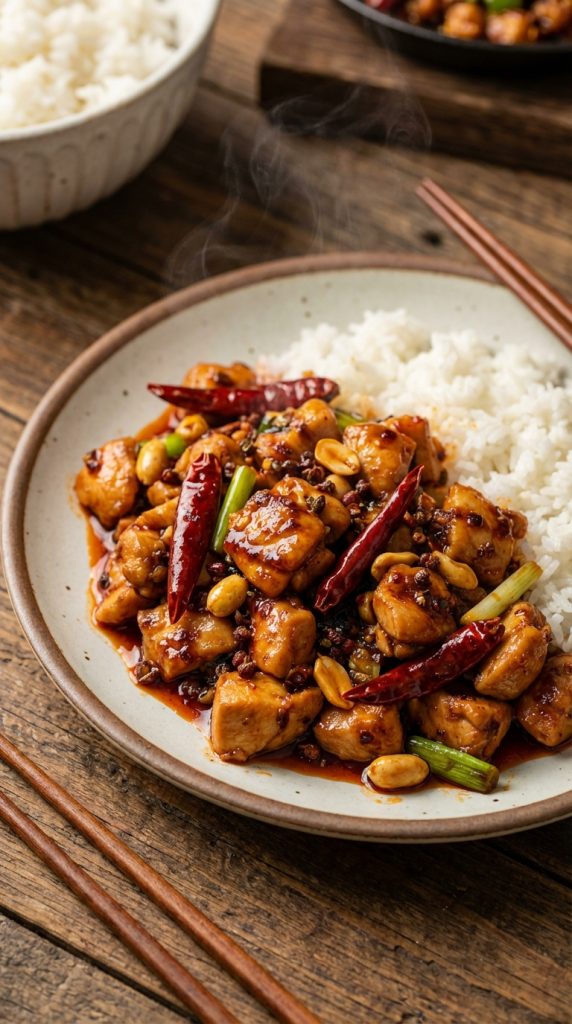
If you love a dish that hits you with both warmth and tingle, you’re in for a treat with Szechuan Chicken. This is a meal that feels like a culinary hug and a spicy wink at the same time. The dish balances a glossy, savory sauce with crisp-tender chicken and bright vegetables, delivering a comforting pairing that tastes like it took longer than it did. In this guide, you’ll learn not only how to make it but also why each step matters, so you can recreate that restaurant-worthy bite in your own kitchen.
Why You’ll Love This Szechuan Chicken
There’s something magical about the way Sichuan flavors play with your senses. The heat is not just about fire; it’s about layers of flavor that build as the dish comes together. The fermented chili bean paste (doubanjiang) provides a deep, slightly smoky heat and a savory backbone, while Sichuan peppercorns deliver that characteristic tingle on the tongue. The result is a well-balanced sauce that’s spicy, savory, a touch sweet, and wonderfully glossy. And because the chicken is coated in a light starch dredge first, you get a satisfying crisp edge that stays juicy inside.
Beyond flavor, this recipe is approachable for weeknights and adaptable for different spice tolerances. If you want it milder, reduce the doubanjiang and peppercorns or swap in a teaspoon of chili oil instead. If you’re chasing bold heat, you can amp up the pepper and add a pinch of crushed red pepper flakes. The ingredient list is a small, friendly chapter, but the payoff reads like a big flavor victory.
Ingredients for Szechuan Chicken
- Boneless chicken pieces — The star of the plate. Thighs stay moist and juicy, while breasts offer a leaner option. Both work well; cut into 1-inch pieces for even cooking. The coating of cornstarch helps create a light crust when seared.
- Cornstarch — Lightly dusts the chicken to lock in moisture and give that crisp edge when seared. It also helps thicken the sauce slightly as it cooks.
- Soy sauce (light) — Adds saltiness and depth. It forms part of the base of the glossy, savory sauce.
- Shaoxing wine (optional) — A small splash enhances aroma and helps tenderize the meat. If you don’t have it, you can omit it without impacting the overall flavor.
- Rice vinegar — A touch of acidity to brighten the sauce and balance the flavors.
- Doubanjiang (fermented chili bean paste) — The signature Sichuan flavor, offering a smoky, spicy, umami-rich base.
- Sichuan peppercorns — Toasted and ground for that characteristic tongue-tingling sensation and warm, lemony notes.
- Garlic and ginger — Aromatics that lift the entire dish with savory warmth.
- Bell pepper — Adds sweetness, color, and crunch to contrast with the tender chicken.
- Scallions — Fresh, bright finish that rounds out the flavors and adds a hint of oniony bite.
- Vegetable oil — Neutral fat capable of high-heat searing without smoking or imparting off flavors.
- Hoisin sauce (optional) — Adds a touch of depth and sweetness if you like a more rounded sauce; use sparingly.
- Sugar or honey — A small sweetness helps balance the heat and the acidity in the sauce.
- Water or chicken stock — Creates a cohesive sauce that coats every piece of chicken nicely.
- Sesame oil — Finishing touch that provides a warm aroma and a hint of nutty flavor.
- Salt and black pepper — To taste, to bring everything into balance.
Step-by-Step Guide to Making Szechuan Chicken
- Prepare all ingredients before you start cooking. This dish comes together quickly, so having everything measured and sliced will help you keep up with the sizzling pan.
- In a bowl, combine the chicken pieces with the cornstarch, 1 tablespoon soy sauce, and the Shaoxing wine (if using). Toss to coat evenly. Let sit 10 minutes to lightly marinate and soften the surface for a crisp sear.
- In a small bowl, whisk together the remaining soy sauce, the rice vinegar, hoisin (if using), sugar, and water or stock. This will be your glossy, balanced sauce. Set aside.
- Toast the Sichuan peppercorns in a dry skillet over medium heat for about 1–2 minutes until fragrant. Grind them finely using a mortar and pestle or spice grinder. This creates the signature numbing heat that defines the dish.
- Heat a large skillet or wok over medium-high heat. Add the oil and swirl to coat. Add the marinated chicken in a single layer, searing undisturbed for 2–3 minutes until edges begin to color and crisp. Flip and cook another 2–3 minutes until just cooked through. Remove the chicken to a plate.
- In the same pan, add a touch more oil if needed. Sauté garlic and ginger for about 30 seconds until fragrant. Add the doubanjiang and stir for another 20–30 seconds to bloom the flavors.
- Return the chicken to the pan. Add the bell pepper and half of the scallions. Pour in the prepared sauce and stir to coat everything evenly. Cook for 1–2 minutes until the sauce thickens and glazes the chicken.
- Finish with sesame oil, a final pinch of Sichuan pepper, and adjust with salt and pepper to taste. Remove from heat and scatter the remaining scallions over the top.
- Serve immediately with steamed white rice, fried rice, or noodles. If you like extra heat, offer chili oil on the side for guests to tailor their level of spiciness.
Timing & Preparation Details
- Prep time: 15 minutes. This includes washing, slicing, and measuring the ingredients.
- Active cooking time: about 15–20 minutes, depending on pan size and heat level.
- Passive wait time: 10 minutes for the chicken to marinate slightly in the starch coating, helping a crisper finish.
- Total time: roughly 40 minutes from start to table.
- Best moment to plate: as soon as the sauce is glossy and the chicken is just cooked through. The flavors are at their peak while warm and freshly sauced.
Nutritional Snapshot
Per serving (about 1/4 of the recipe):
- Calories: 420
- Protein: 29 g
- Carbohydrates: 20 g
- Fat: 20 g
- Sodium: 860 mg
- Fiber: 2 g
- Sugars: 7 g
Note: Nutrition can vary based on the exact brands of sauces used and the cut of chicken. If you’re tracking macros closely, you can adjust by choosing lower-sodium soy sauce or reducing the sugar slightly.
Frequently Asked Questions
Is Szechuan Chicken spicy?
Yes, the dish can be spicy, thanks to the fermented chili bean paste and Sichuan peppercorns. You can tailor the heat by reducing the doubanjiang, using milder chili paste, or leaving out the peppercorns altogether. If you want a milder version, start with half the amount of chili paste and add more to taste as you cook.
Can I bake this dish instead of stir-frying?
Stir-frying is the quickest way to achieve that crisp-on-the-outside, juicy-on-the-inside texture and helps the sauce cling to each piece. Baking is possible if you prefer, but you’ll miss the quick sear. If baking, toss the marinated chicken with the sauce and spread on a lined sheet; bake at 425°F (220°C) for about 12–15 minutes until cooked through, then toss with remaining ingredients in a pan to glaze.
What should I serve with Szechuan Chicken?
Steamed jasmine or basmati rice is a classic pairing to soak up the sauce. You can also serve the chicken with stir-fried vegetables like broccoli, snap peas, or shredded cabbage for extra texture and color. A simple cucumber salad or pickled vegetables makes for a refreshing contrast.
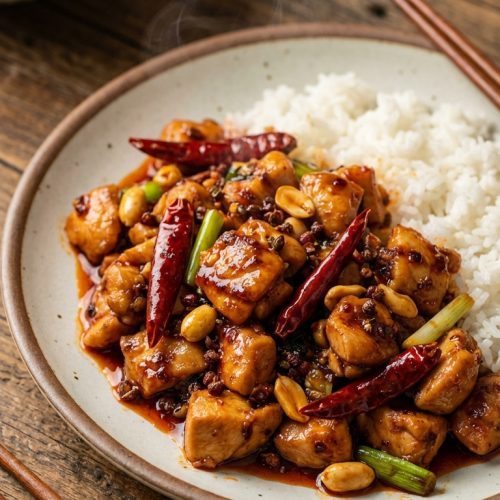
Szechuan Chicken
Ingredients
- 1 lb boneless skinless chicken thighs or breasts, cut into 1-inch pieces
- 2 tbsp cornstarch
- 2 tbsp soy sauce (light)
- 1 tbsp Shaoxing wine or dry sherry (optional)
- 1 tbsp rice vinegar or black rice vinegar
- 1 tbsp doubanjiang (fermented chili bean paste)
- 1 tbsp Sichuan peppercorns, toasted and ground (or 1/2 tsp chili oil with peppercorns)
- 2 cloves garlic, minced
- 1 inch ginger, minced
- 1 red bell pepper, sliced
- 1 green onion (scallions), sliced
- 1 tbsp vegetable oil or neutral oil
- 2 tbsp hoisin sauce (optional for depth)
- 1 tbsp sugar or honey
- 1 tbsp water or chicken stock
- 1 tsp sesame oil
- to taste salt
- to taste freshly ground black pepper
Instructions
- Prepare all ingredients before you start cooking. This dish comes together quickly, so having everything measured and sliced will help you keep up with the sizzling pan.
- In a bowl, combine the chicken pieces with the cornstarch, 1 tablespoon soy sauce, and the Shaoxing wine (if using). Toss to coat evenly. Let sit 10 minutes to lightly marinate and soften the surface for a crisp sear.
- In a small bowl, whisk together the remaining soy sauce, the rice vinegar, hoisin (if using), sugar, and water or stock. This will be your glossy, balanced sauce. Set aside.
- Toast the Sichuan peppercorns in a dry skillet over medium heat for about 1–2 minutes until fragrant. Grind them finely using a mortar and pestle or spice grinder. This creates the signature numbing heat that defines the dish.
- Heat a large skillet or wok over medium-high heat. Add the oil and swirl to coat. Add the marinated chicken in a single layer, searing undisturbed for 2–3 minutes until edges begin to color and crisp. Flip and cook another 2–3 minutes until just cooked through. Remove the chicken to a plate.
- In the same pan, add a touch more oil if needed. Sauté garlic and ginger for about 30 seconds until fragrant. Add the doubanjiang and stir for another 20–30 seconds to bloom the flavors.
- Return the chicken to the pan. Add the bell pepper and half of the scallions. Pour in the prepared sauce and stir to coat everything evenly. Cook for 1–2 minutes until the sauce thickens and glazes the chicken.
- Finish with sesame oil, a final pinch of Sichuan pepper, and adjust with salt and pepper to taste. Remove from heat and scatter the remaining scallions over the top.
- Serve immediately with steamed white rice, fried rice, or noodles. If you like extra heat, offer chili oil on the side for guests to tailor their level of spiciness.