
Coconut Cream Pancakes: Fluffy, Moist & Easy Brunch Recipes!
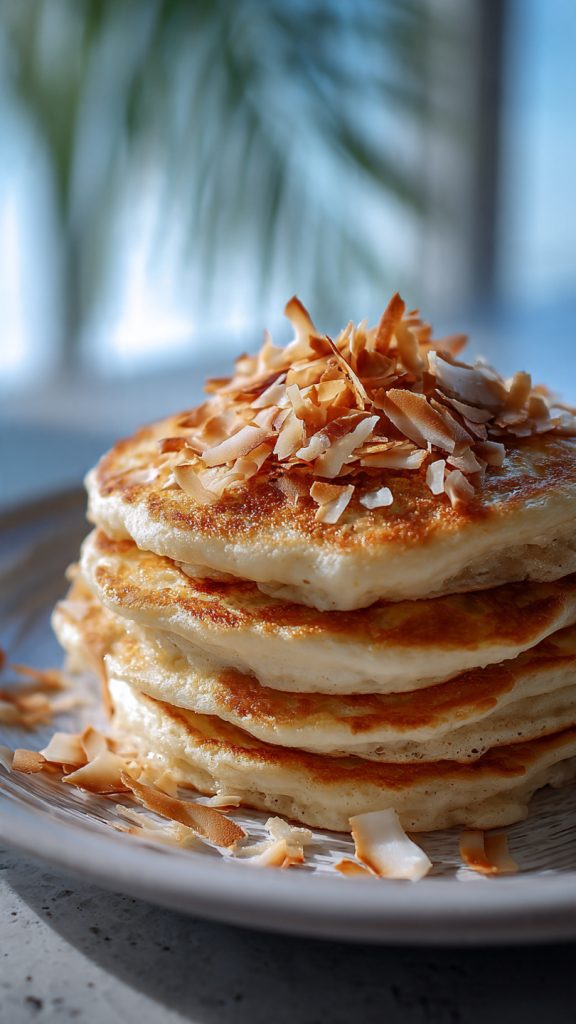
If your idea of a perfect morning includes something fluffy, fragrant, and a little bit tropical, these Coconut Cream Pancakes are going to be your new favorite ritual. They’re tender and pillowy with just the right amount of richness from coconut cream and a hint of vanilla. Imagine a stack that tastes like a sunny vacation—golden edges, soft middles, and a delicate coconut aroma that feels comforting yet special. Whether you’re cooking for a lazy weekend brunch or trying to brighten a weekday, this recipe is simple, reliable, and endlessly customizable with fruit, syrup, or a cloud of whipped coconut cream.
Why These Coconut Cream Pancakes Will Win You Over
These pancakes deliver on texture and flavor in a way that’s both luxe and approachable. Coconut cream adds richness without heaviness, producing a moist crumb that stays soft even as the pancakes cool. The batter comes together quickly, and the method is beginner-friendly—no fancy equipment required. Expect a golden exterior, tender center, and a gentle sweetness that pairs beautifully with maple syrup, fresh mango, or toasted coconut. If you love pancakes that feel a bit indulgent but not over-the-top, this is your sweet spot.
What You’ll Need: Ingredients for Coconut Cream Pancakes
- All-purpose flour (1½ cups / 180 g) — The structure of the pancakes; it helps them rise evenly and hold their shape.
- Baking powder (2 teaspoons) — The main lift; creates those airy bubbles for a fluffy stack.
- Baking soda (½ teaspoon) — Works with the acidity in the batter to boost tenderness and browning.
- Fine sea salt (¼ teaspoon) — Balances sweetness and sharpens flavor so the coconut truly shines.
- Granulated sugar or coconut sugar (2 tablespoons) — Adds gentle sweetness and helps the pancakes brown.
- Large eggs (2) — Bind the batter and contribute to a soft, custardy interior.
- Full-fat coconut milk, well shaken (¾ cup / 180 ml) — Adds moisture and that signature coconut character.
- Coconut cream (½ cup / 120 ml) — The richness booster; creates a tender, creamy crumb.
- Vanilla extract (2 teaspoons) — Layers in warmth and rounds out the tropical notes.
- Melted coconut oil or unsalted butter (3 tablespoons) — Keeps the pancakes moist and flavorful while aiding in browning.
- Unsweetened shredded coconut (½ cup, optional) — For texture and extra coconut depth; lightly chewy and toasty when cooked.
- Lime zest (1 teaspoon, optional) — Adds a bright, zesty lift that complements the richness.
- Coconut oil or butter, for the pan — Ensures crisp, golden edges and easy flipping.
- Toppings: whipped coconut cream, maple syrup, toasted coconut, fresh mango or pineapple — Finish with something creamy, crunchy, or fruity to play up the tropical vibe.
Coconut Cream Pancakes, Step by Step
- Prep your station. Place a large nonstick skillet or griddle on the stovetop. Have a flexible spatula, a ¼-cup measure or ladle, and a wire rack ready. Preheat the oven to 200°F (95°C) if you want to keep pancakes warm as you cook in batches.
- Combine dry ingredients. In a medium bowl, whisk together flour, baking powder, baking soda, salt, and sugar until well blended. This disperses the leavening agents evenly and prevents clumps.
- Whisk the wet mixture. In a large bowl, whisk eggs until smooth. Add the coconut milk, coconut cream, vanilla, and melted coconut oil/butter. Whisk until creamy. If your coconut cream is very thick, whisk a bit longer to fully incorporate. Tip: If the coconut milk separated in the can, shake well or whisk to re-emulsify.
- Bring the batter together. Add the dry ingredients to the wet and whisk gently until just combined. A few small lumps are fine. Do not overmix—this keeps the pancakes tender.
- Fold in optional extras. If using shredded coconut and/or lime zest, fold them in now with a spatula. The shreds add a lovely chew and naturally toast on the griddle.
- Rest the batter (5–10 minutes). Letting the batter sit allows the flour to hydrate and the leaveners to activate, which leads to fluffier pancakes. The batter will thicken slightly.
- Heat the pan properly. Warm your skillet or griddle over medium heat. Brush lightly with coconut oil or butter. The surface should be hot but not smoking—a drop of water should skitter and evaporate in a couple of seconds.
- Portion and pour. Using a ¼-cup measure, ladle the batter onto the pan, leaving space for spreading. Aim for 3–4 pancakes at a time to maintain even heat.
- Watch for bubbles and edges. Cook for 2–3 minutes, until bubbles form across the surface and the edges look set and slightly matte. Peek underneath—if the bottom is a deep golden, you’re ready to flip.
- Flip with confidence. Slide the spatula fully under the pancake and flip in one smooth motion. Cook another 1–2 minutes until the center springs back when gently pressed. Adjust heat as needed to avoid scorching.
- Hold warm (optional). Transfer finished pancakes to the wire rack set on a baking sheet and keep in the low oven while you cook the remaining batter. This prevents steam from making them soggy.
- Serve generously. Stack the pancakes and top with whipped coconut cream, a drizzle of maple syrup, and a scatter of toasted coconut. Add slices of mango or pineapple for a fresh, sunny finish.
Timing and Prep at a Glance
- Prep time: About 15 minutes (includes opening and whisking coconut cream)
- Batter rest time: 5–10 minutes for best texture
- Cook time: 12–18 minutes total, depending on batch size and pan
- Total time: Approximately 30–40 minutes
- Yield: About 12 pancakes (4 inches / 10 cm), enough for 4 servings
- When they’re ready: Bubbles across the top, set edges, and a springy center after flipping. A deep golden underside indicates perfect caramelization.
Make-ahead note: Mix dry ingredients and wet ingredients separately the night before and refrigerate the wet mixture. In the morning, combine gently and cook—this protects the rise for tall, fluffy pancakes.
Helpful Tips for Pancake Perfection
- Shake the can. Full-fat coconut milk can separate; shake or whisk to unify the cream and liquid for consistent batter.
- Mind your heat. Medium heat is your friend. Too high and the outside burns before the center cooks; too low and you won’t get that golden finish.
- Don’t overmix. Stir just until the flour disappears. Overmixing develops gluten, leading to tougher pancakes.
- Rest the batter. Even 5 minutes makes a difference. If the batter becomes too thick after resting, stir in 1–2 tablespoons of coconut milk to loosen.
- Grease lightly and often. A thin layer of coconut oil or butter before each batch helps with color and prevents sticking.
- Use a consistent scoop. A ¼-cup measure yields even pancakes that cook at the same rate and stack neatly.
- Toast the coconut. For a nutty crunch, lightly toast shredded coconut in a dry skillet over medium heat for 2–3 minutes until golden.
- Upgrade the toppings. Try a quick lime-maple drizzle: mix warm maple syrup with a whisper of lime zest and a squeeze of juice for brightness.
- Keep them warm the right way. Hold on a wire rack in a low oven; stacking directly on a plate traps steam and softens the edges.
Nutrition at a Glance
The following values are approximate and based on 4 servings (about 3 pancakes per person), including the optional shredded coconut but excluding toppings:
| Nutrient | Per Serving (Approx.) |
|---|---|
| Calories | 550–570 kcal |
| Protein | 9–11 g |
| Carbohydrates | 45–50 g |
| Total Fat | 37–40 g |
| Saturated Fat | 28–32 g |
| Fiber | 3–4 g |
| Sodium | 400–500 mg |
| Added Sugars | 5–6 g |
Note: Using light coconut milk and skipping the shredded coconut lowers calories and saturated fat. Toppings will change totals.
Your Top Questions, Answered
Can I make these pancakes gluten-free?
Yes. Use a 1:1 gluten-free all-purpose baking blend that includes xanthan gum. The batter may thicken more quickly, so add a tablespoon or two of coconut milk if needed to reach a pourable consistency.
Can I prepare the batter ahead of time?
For best rise, keep wet and dry ingredients separate and combine just before cooking. If you must mix the full batter in advance, refrigerate up to 4 hours and gently fold in 1–2 teaspoons of fresh baking powder right before cooking to revive the lift.
What can I use instead of coconut cream?
For a lighter version, use additional full-fat coconut milk in place of the coconut cream. For a non-dairy alternative with less coconut flavor, try a thick oat “barista” milk. For a dairy option, a mix of whole milk and a couple of tablespoons of sour cream can mimic the richness.
A Warm Send-Off
There’s something wonderfully reassuring about a stack of pancakes made with care. These Coconut Cream Pancakes turn a simple morning into a small celebration, filling your kitchen with a buttery, coconut-kissed aroma and bringing everyone to the table. With a few thoughtful steps and fresh toppings, you’ll create a breakfast that tastes like it came from a cozy café—only better, because it’s made by you. I hope this becomes a recipe you reach for often, whether you’re spoiling guests or treating yourself to a slow, sunny start. Enjoy every bite, and share the joy by passing the plate around.