
Pumpkin Bread Recipe: Moist, Easy, Spiced With Real Pumpkin!
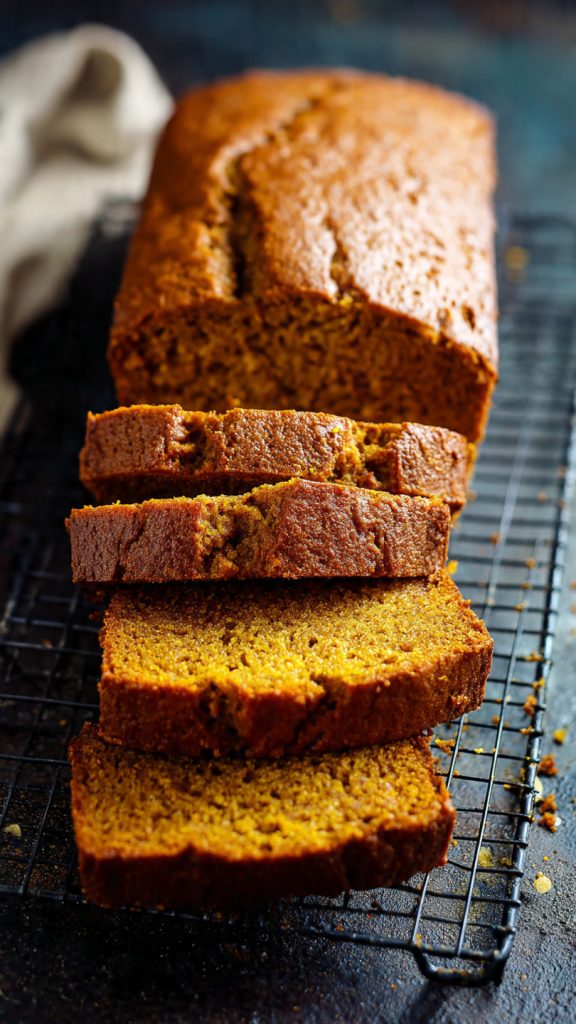
There’s something undeniably comforting about a slice of pumpkin bread, still slightly warm, with that cozy aroma of cinnamon and nutmeg filling the kitchen. This Pumpkin Bread Recipe is the kind you can count on: reliably moist, warmly spiced, and wonderfully simple to make. Whether you’re baking for a fall brunch, gifting a loaf to a neighbor, or just treating yourself on a quiet afternoon, this recipe delivers big flavor with minimal fuss. Expect a tender crumb, a balanced sweetness, and the flexibility to make it your own with add-ins like nuts or chocolate chips. If you’re new to baking quick breads, don’t worry—I’ll walk you through every step with friendly, practical tips so your loaf comes out just right.
Why This Pumpkin Bread Will Win You Over
This pumpkin bread strikes the perfect balance between sweetness and spice. It’s oil-based, which means the crumb stays soft and moist for days, and the pumpkin purée makes it rich without being heavy. The spice blend is warm but not overpowering, and the recipe is wonderfully adaptable—add chocolate chips for indulgence, walnuts or pecans for crunch, or a handful of dried cranberries for a pop of tartness. Best of all, it’s a one-bowl-friendly method that’s easy enough for a weekday but special enough for company. If you’re after a foolproof, bakery-style loaf that slices clean and tastes even better the next day, this is it.
What You’ll Need for Cozy Pumpkin Bread
- All-purpose flour (1 3/4 cups / 220 g) — The structure of the bread; using the right amount keeps the loaf tender, not dense.
- Baking soda (1 teaspoon) — Primary leavener to help the bread rise and stay light.
- Baking powder (1/2 teaspoon) — Adds a little extra lift for a finer crumb.
- Fine sea salt (1/2 teaspoon) — Balances sweetness and deepens flavor.
- Ground cinnamon (1 1/2 teaspoons) — The signature warm spice in pumpkin bread.
- Ground nutmeg (1/2 teaspoon) — Adds cozy, slightly sweet spice notes.
- Ground ginger (1/4 teaspoon) — Brings gentle heat that brightens the loaf.
- Ground cloves (1/4 teaspoon) — Potent and aromatic; a little goes a long way.
- Granulated sugar (1 cup / 200 g) — Sweetens and helps achieve a soft texture.
- Light brown sugar, packed (1/2 cup / 100 g) — Adds moisture and a hint of caramel depth.
- Large eggs (2), room temperature — Bind the batter and add richness.
- Pumpkin purée (1 cup / 240 g) — The star ingredient; use pure pumpkin, not pumpkin pie filling.
- Neutral oil (1/2 cup / 120 ml) — Keeps the bread tender for days; canola, vegetable, or grapeseed work well.
- Vanilla extract (2 teaspoons) — Rounds out the flavors with a warm, sweet note.
- Milk or buttermilk (2 tablespoons / 30 ml, optional) — Adds a touch of extra moisture and tenderness.
- Optional mix-ins (1/2–3/4 cup) — Chocolate chips, chopped walnuts/pecans, or dried cranberries for extra character.
- Turbinado sugar (1–2 tablespoons, optional) — For a crunchy, sparkling top.
How to Make Pumpkin Bread, Step by Step
- Prep your pan and oven. Heat the oven to 350°F (175°C). Grease a 9×5-inch (23×13 cm) loaf pan and line it with a parchment sling for easy removal. This ensures the loaf releases cleanly.
- Combine dry ingredients. In a large bowl, whisk together the flour, baking soda, baking powder, salt, cinnamon, nutmeg, ginger, and cloves. Whisking distributes the leaveners evenly so the bread rises uniformly.
- Whisk the sugars and wet ingredients. In a separate medium bowl, whisk the granulated sugar, brown sugar, eggs, pumpkin purée, oil, and vanilla until smooth and glossy. If using milk or buttermilk, whisk it in now.
- Bring it together gently. Pour the wet mixture into the dry ingredients. Using a spatula, fold together just until you no longer see streaks of flour. Do not overmix—a few small lumps are okay and will bake out.
- Add mix-ins, if using. Fold in chocolate chips, nuts, or dried fruit. Aim for even distribution without overworking the batter.
- Fill the pan. Scrape the batter into the prepared loaf pan and smooth the top. Sprinkle with turbinado sugar for a crunchy cap, if you like.
- Bake. Set the loaf on the middle rack and bake for 55–65 minutes. Ovens vary, so begin checking at 50 minutes. The bread is done when a toothpick inserted into the center comes out clean or with a few moist crumbs.
- Watch the top. If the loaf is browning too quickly but the center isn’t done, tent the pan loosely with foil during the last 10–15 minutes of baking.
- Cool in the pan first. Let the bread rest in the pan on a wire rack for 15 minutes. This helps it set and unmold without tearing.
- Finish cooling. Lift the loaf out using the parchment and cool completely on the rack—at least 1 hour—before slicing. Cooling ensures clean slices and the best texture.
- Slice and serve. Use a serrated knife for neat slices. Enjoy as-is, or with a swipe of butter, cream cheese, or honey.
- Store properly. Once fully cool, wrap the loaf tightly or store in an airtight container at room temperature for up to 3 days, or refrigerate for up to 1 week.
Timing and Prep at a Glance
- Prep time: 15 minutes
- Bake time: 55–65 minutes
- Cooling time: 60 minutes (recommended for clean slices)
- Total time: About 2 hours 15 minutes
- Yield: 1 loaf, about 10 slices
- Pan size: Standard 9×5-inch (23×13 cm) loaf pan
- Ready to enjoy: Once the loaf is fully cooled, the crumb sets and flavors bloom; it’s even better the next day.
While it’s tempting to cut into the bread right away, giving it time to cool makes a noticeable difference. The crumb firms up, the spices mellow beautifully, and the slices hold together. If you can wait until the next day, you’ll be rewarded with even richer flavor.
Pro Tips for Guaranteed Success
- Measure flour accurately. Use a scale for best results (220 g). If using cups, fluff the flour, spoon it into the cup, and level off—don’t scoop directly from the bag.
- Use room-temperature eggs. Cold eggs don’t whisk as well into the batter. If you’re in a hurry, set them in warm water for 5–10 minutes.
- Don’t overmix. Overmixing activates gluten and can make the loaf tough. Fold gently until the flour just disappears.
- Check doneness in multiple spots. Quick breads can set on the edges before the center is done. Test the center and a couple of adjacent spots.
- Tent with foil if needed. A quick foil tent prevents over-browning while the middle finishes baking.
- Customize the spice level. Prefer milder spice? Reduce cloves to a pinch. Want a bolder profile? Add 1/4 teaspoon extra cinnamon or a dash of allspice.
- Make it dairy-free with ease. Skip the optional milk or use a non-dairy milk; the recipe is naturally dairy-free otherwise.
- Gluten-free option. Substitute a reputable 1:1 gluten-free baking flour blend by weight (220 g). The texture remains nicely tender.
- Add texture thoughtfully. If using nuts, toast them lightly first for deeper flavor and better crunch.
- Store smart. Wrap tightly after cooling to lock in moisture. For longer storage, slice and freeze with parchment between slices for easy grab-and-go pieces.
Nutritional Snapshot
Approximate values per slice (1 of 10), without optional mix-ins or turbinado topping. These numbers will vary based on brands and substitutions.
| Calories | 290 |
| Protein | 4 g |
| Total Carbohydrates | 44 g |
| Dietary Fiber | 2 g |
| Total Sugars | 25 g |
| Total Fat | 11 g |
| Saturated Fat | 2 g |
| Sodium | 230 mg |
Common Questions, Answered
Can I use fresh pumpkin instead of canned purée?
Yes. Roast a sugar pumpkin or kabocha until tender, then scoop and purée until smooth. Drain excess moisture by letting the purée sit in a fine-mesh sieve lined with paper towels for 10–15 minutes. You’ll need 1 cup (240 g). Make sure it’s thick and not watery to maintain the bread’s structure.
How should I store and freeze pumpkin bread?
Once completely cool, wrap tightly and keep at room temperature for up to 3 days or refrigerate for up to 1 week. To freeze, wrap the whole loaf or individual slices in plastic, then place in a freezer bag. Freeze for up to 3 months. Thaw at room temperature; slices rewarm nicely in a toaster oven.
Can I make muffins or mini loaves with this batter?
Absolutely. For muffins, line a 12-cup pan and fill each cup about 3/4 full; bake at 350°F (175°C) for 18–22 minutes. For mini loaves, fill pans 2/3 full and check at 28–35 minutes. As always, use the toothpick test to confirm doneness.
A Warm Closing Thought
There’s a simple joy in baking a loaf of pumpkin bread—measuring, whisking, waiting as the kitchen fills with spice, and finally sharing thick, cozy slices with people you love. This recipe is designed to be dependable, delicious, and flexible, so it can fit however you like to bake—quiet mornings, weekend projects, or quick treats for friends. May this pumpkin bread become a small tradition in your home, the kind of recipe you reach for when you want warmth, comfort, and a little sweetness to brighten the day. Enjoy every slice.