
Baked Cottage Cheese Eggs: Easy High-Protein Breakfast Ideas
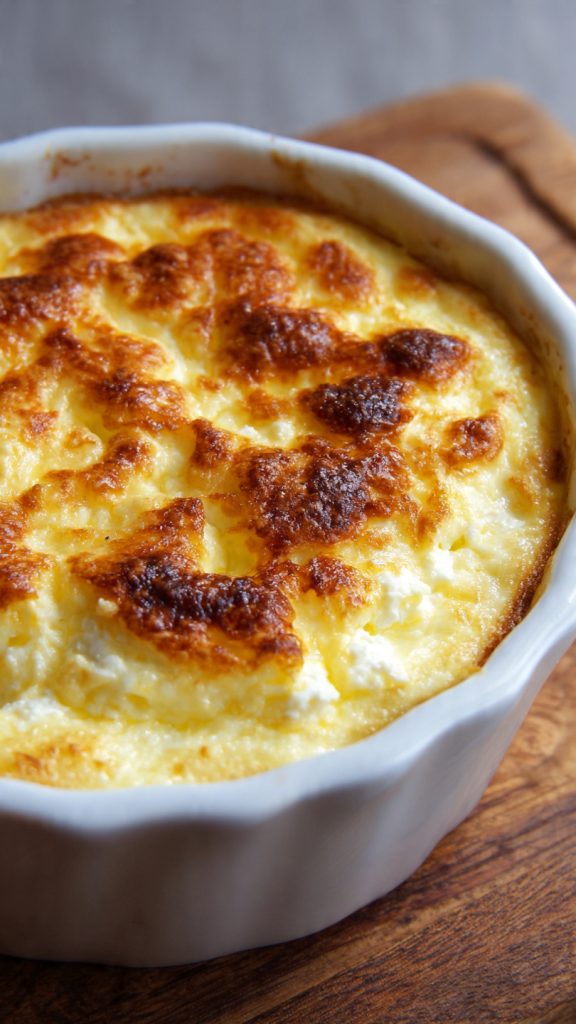
There’s something quietly luxurious about sliding a tray of gently puffed, golden-topped eggs out of the oven and knowing breakfast is about to be both nourishing and comforting. Baked Cottage Cheese Eggs offer that little moment of calm: creamy, protein-packed, and blissfully simple. The cottage cheese melts into the eggs, lending them a tender, almost custardy feel, while a handful of herbs and veggies brightens every bite. It’s the kind of recipe you’ll reach for when you want hearty fuel without fuss—and it works just as well for a lazy Sunday brunch as it does for meal-prepped weekday mornings.
In this guide, I’ll walk you through everything you need to know to make them just right. Expect straightforward steps, a short list of pantry-friendly ingredients, and plenty of ideas to make the dish your own. Whether you bake them in cute little ramekins or one cozy dish to slice and share, you’ll end up with something wonderfully satisfying and very easy to love.
Why These Baked Cottage Cheese Eggs Will Win You Over
These eggs have all the qualities of a good morning: they’re warm, creamy, and reliably delicious. The cottage cheese adds richness without heaviness, and the oven does all the work, freeing you from standing over the stove. They’re endlessly customizable—toss in herbs, a handful of spinach, or a pinch of smoked paprika to make them suit your mood. High in protein and ready in about 30 minutes, they’re a great choice for busy days, gentle brunches, and everything in between.
What You’ll Need for Baked Cottage Cheese Eggs
- 4 large eggs – The foundation of the bake; they set into a tender, custard-like texture in the oven.
- 1 cup cottage cheese (2% or full-fat) – Adds creaminess and protein; full-fat makes the texture richer, while 2% keeps it lighter.
- 1 tablespoon milk or half-and-half (optional) – Loosens the mixture slightly for extra silkiness; skip if you prefer a firmer set.
- 1/4 cup finely grated Parmesan or sharp cheddar (optional) – A savory boost that browns nicely on top; sprinkle lightly for golden edges.
- 1 cup chopped vegetables – Think baby spinach, scallions, bell pepper, cherry tomatoes, or sautéed mushrooms; they add color, texture, and nutrients.
- 2 tablespoons fresh herbs – Chives, parsley, dill, or basil provide freshness; a small amount makes a big difference.
- 1/4 teaspoon garlic powder – A gentle savory note that rounds out the flavor without overpowering.
- 1/4 teaspoon smoked paprika or a pinch of red pepper flakes – Optional warmth or smokiness that wakes up the eggs.
- 3/4 teaspoon kosher salt, plus more to taste – Seasoning brings the flavors forward; adjust depending on your cottage cheese and cheese choice.
- 1/4 teaspoon black pepper – A little bite to balance the creaminess.
- Olive oil or butter, for greasing – Keeps the bake from sticking and adds a hint of flavor.
- Optional toppings – Avocado slices, extra herbs, a dollop of Greek yogurt, or a drizzle of hot sauce to finish.
How to Make Baked Cottage Cheese Eggs, Step by Step
- Preheat and prepare the bakeware. Set your oven to 375°F (190°C). Lightly grease 2 large ramekins (10–12 ounces each) or an 8x8-inch baking dish with olive oil or butter so the eggs release cleanly.
- Whisk the eggs. In a medium bowl, whisk the eggs until the yolks and whites are completely combined and slightly frothy. This adds a bit of air, helping the eggs bake up tender.
- Add the cottage cheese and seasonings. Fold in the cottage cheese, milk or half-and-half (if using), garlic powder, smoked paprika or red pepper flakes, salt, and pepper. Stir gently until evenly combined. Don’t overmix; you want to keep some of the curds intact for texture.
- Stir in the vegetables and herbs. Add your chopped veggies and herbs. If you’re using high-moisture vegetables like mushrooms or spinach, consider sautéing and patting them dry first to prevent excess liquid in the bake.
- Fill the dish or ramekins. Pour the mixture evenly into the prepared ramekins or baking dish. If using Parmesan or cheddar, sprinkle it over the top for a lightly browned crust.
- Bake until just set. Place the ramekins on a baking sheet for easy transport. Bake 18–22 minutes for ramekins, or 25–30 minutes for an 8x8-inch dish. The eggs are ready when the edges are set, the top is lightly golden, and the center has a slight jiggle. A thermometer should read about 160°F (71°C) in the center.
- Rest briefly. Remove from the oven and let the eggs sit for 5 minutes. This short rest helps the custard finish setting and makes slicing or unmolding easier.
- Garnish and serve. Add fresh herbs, avocado, or a drizzle of hot sauce. Serve warm with toast, roasted potatoes, or a crisp salad, and enjoy the creamy, savory comfort of every bite.
Prep, Bake, and Rest: Timing You Can Trust
From start to finish, this recipe is friendly to busy mornings. Plan for about 10 minutes of prep time, 18–22 minutes of bake time for individual portions (or up to 30 minutes for a single dish), and 5 minutes to rest. In other words, you can be sitting down to a protein-rich breakfast in roughly half an hour. If you’re meal prepping, let the baked eggs cool completely before covering and storing. They’re delicious warm, but they also hold up beautifully for a few days in the fridge.
For reheating, warm individual portions in a 300°F (150°C) oven for 8–10 minutes or microwave gently in 30-second bursts until hot. The eggs will remain tender if you reheat slowly. You’ll know they’re ready to enjoy when the center is warmed through and the edges feel silky, not dry.
Helpful Tips to Nail It Every Time
Choose your cottage cheese wisely. Brands vary in saltiness and moisture. If yours is very wet, you can briefly drain it in a fine mesh strainer to keep the bake from becoming watery. For the creamiest texture, use small-curd, full-fat cottage cheese; for a lighter result, 2% works great.
Avoid excess moisture from veggies. Spinach, mushrooms, and tomatoes can release water in the oven. Sauté them first and pat dry, or keep their amounts modest. This quick step ensures a smooth, custardy set.
Don’t overbake. Eggs continue cooking from residual heat. Remove the dish when the center still has a soft wobble. If you’re unsure, a thermometer reading of about 160°F (71°C) is your best guide to a tender, safe set.
Blend for ultra-smooth texture. If you prefer no curds, briefly blend the eggs and cottage cheese before adding veggies. Just don’t over-blend once the vegetables are in, or you’ll lose their texture.
Season thoughtfully. If adding Parmesan or cheddar, reduce the salt slightly and taste after baking. Cheese can introduce more salt than you expect.
Play with flavors. Try a Mediterranean take with sun-dried tomatoes, olives, and oregano; a garden version with zucchini, basil, and cherry tomatoes; or a smoky combo with roasted peppers and paprika. Small changes make the recipe feel brand new.
Consider ramekins for portion control. Individual bakes not only look charming, they also cook faster and reheat cleanly. If you’re feeding a crowd, use a larger baking dish for easy slicing.
Nutrition at a Glance
Exact nutrition will vary based on your cottage cheese and cheese choice. The estimates below are for one serving when the recipe makes two servings (each serving includes two eggs and about 1/2 cup cottage cheese, plus veggies and a light sprinkle of Parmesan).
| Nutrient | Approximate Amount per Serving |
|---|---|
| Calories | 250–280 kcal |
| Protein | 25–30 g |
| Total Fat | 11–14 g |
| Saturated Fat | 4–6 g |
| Carbohydrates | 4–7 g |
| Fiber | 0–2 g (depends on veggies) |
| Sugars | 2–4 g |
| Sodium | 450–650 mg |
Tip: To lower sodium, choose low-sodium cottage cheese and reduce added cheese. To increase fiber, add more spinach, bell pepper, or a side of whole-grain toast.
Questions & Quick Answers
Can I substitute ricotta for the cottage cheese?
Yes. Ricotta will give you a smoother, slightly denser result with a milder flavor. Use the same amount as cottage cheese, and consider adding a touch more salt since ricotta tends to be less salty.
How do I keep the eggs from turning watery?
Moisture management is key. Drain very wet cottage cheese and pre-cook high-water veggies like mushrooms or spinach. Bake just until set and let the dish rest for 5 minutes to allow any residual moisture to redistribute.
Can I make these ahead and freeze them?
You can. Bake, cool completely, and wrap individual portions tightly. Freeze for up to 2 months. Thaw overnight in the fridge, then reheat gently at 300°F (150°C) until warmed through. The texture remains tender if reheated slowly.
A Cozy Closing Note
There’s a quiet joy in simple, wholesome dishes that ask little of you yet deliver so much comfort. Baked Cottage Cheese Eggs are exactly that kind of recipe—warm, savory, and endlessly adaptable to what you have and what you love. Share them at a brunch table with good coffee and a fruit salad, or tuck them into your weekly routine for a reliable, feel-good breakfast. With a few fresh herbs and a gentle bake, you’ll have something that feels special without any strain. Here’s to calm mornings, nourishing plates, and recipes that make your day a little easier and a lot more delicious.