
How to Make Pumpkin French Toast: Easy Fall Breakfast Recipe
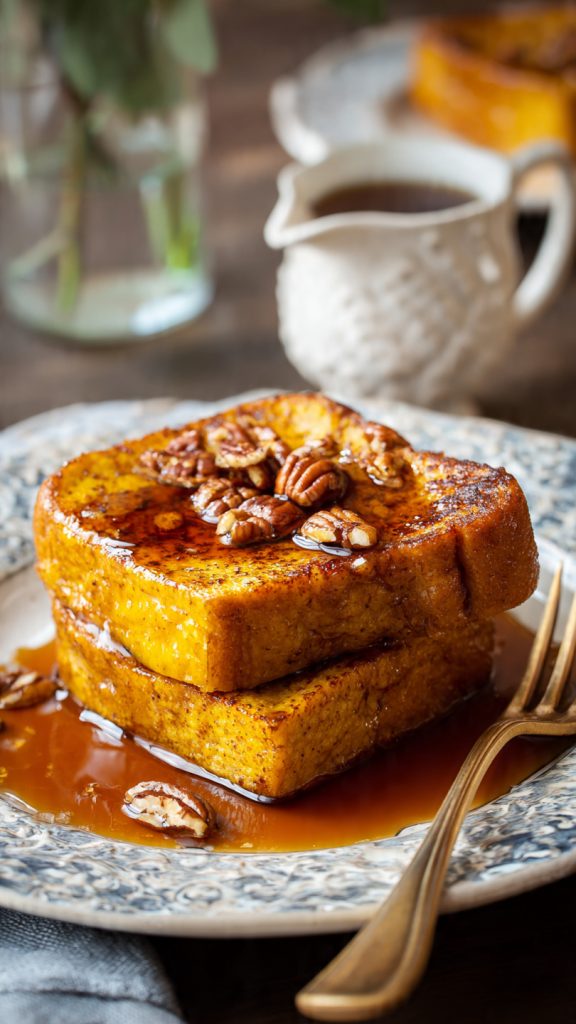
What you can expect here is a foolproof method, a balanced custard that isn’t too sweet, and flavors that sing without overwhelming the bread. We’ll talk through the right bread to use, how long to soak, and how to get that perfect soft-in-the-middle texture without sogginess. You’ll also find variations, make-ahead notes, and options for dairy-free or refined-sugar-free versions. By the end, you’ll have a breakfast that’s festive enough for guests and easy enough for any weekend morning.
What Makes This Pumpkin French Toast Irresistible
There’s something about the way pumpkin and warm spices mingle with buttery toast that just feels like home. This version keeps things simple, dependable, and deeply flavorful. Here’s why it stands out:
- Custardy center, crisp edges: A balanced egg-to-dairy ratio delivers creamy interiors that aren’t soggy.
- Real pumpkin puree: It brings natural body and subtle sweetness without overshadowing the bread.
- Warm, aromatic spice blend: Cinnamon, nutmeg, ginger, and cloves perfume the air and your plate.
- Flexible and forgiving: Works with brioche, challah, or sturdy sourdough; dairy-free and gluten-free options included.
- Quick to make: From whisking to plating in under 30 minutes.
- Make-ahead friendly: The custard can be mixed in advance; cooked slices freeze and reheat beautifully.
What You’ll Need for Pumpkin French Toast
Here’s your ingredient list with a quick note on why each element matters. Think of it as your roadmap to flavor and texture.
- Thick-sliced bread (8 slices, 3/4 to 1 inch thick): Brioche or challah for rich, tender results; Texas toast or day-old sourdough for a sturdier bite. Slightly stale bread absorbs custard best.
- Large eggs (4): The backbone of the custard, eggs set gently and create that signature custard-like interior.
- Milk or half-and-half (1 cup): Adds moisture and richness; half-and-half yields a creamier texture. Dairy-free? Use full-fat oat or almond milk.
- Pumpkin puree (1/2 cup, not pumpkin pie filling): Provides body, color, and a gentle pumpkin flavor without excessive sweetness.
- Brown sugar or maple syrup (2–3 tablespoons): Just enough sweetness to complement, not overwhelm, the spices and bread.
- Vanilla extract (1 teaspoon): Rounds out flavors and brings warmth to the custard.
- Pumpkin pie spice (1 1/2 teaspoons): A blend of cinnamon, nutmeg, ginger, and cloves. Alternatively, use 1 teaspoon cinnamon + 1/4 teaspoon each nutmeg and ginger + a pinch of cloves.
- Fine sea salt (1/4 teaspoon): Balances sweetness and sharpens the spice notes.
- Unsalted butter (2–3 tablespoons): For frying; it browns as it cooks, adding nutty flavor to the toast.
- Neutral oil (1–2 tablespoons): A bit of oil mixed with butter prevents scorching and helps the slices crisp evenly.
- Optional orange zest (1 teaspoon): A bright, citrusy lift that pairs beautifully with warm spices.
- Optional bourbon (1 tablespoon): Adds depth and a subtle caramel-vanilla note that enhances the pumpkin.
- Maple syrup, to serve: Classic finishing touch; choose pure maple for the best flavor.
- Toasted pecans or walnuts (1/2 cup): Adds crunch and a buttery, toasty counterpoint to the soft toast.
- Whipped cream or Greek yogurt: For a creamy flourish; yogurt adds tang, whipped cream adds indulgence.
- Powdered sugar, for dusting: A light, sweet snow that makes the plate pop.
How to Make Pumpkin French Toast, Step by Step
- Preheat your griddle or a large nonstick skillet over medium heat. If you have an oven, set it to 200°F (95°C) to keep cooked slices warm on a wire rack over a sheet pan.
- In a wide, shallow dish, whisk together the eggs, milk or half-and-half, pumpkin puree, brown sugar or maple syrup, vanilla, pumpkin pie spice, and salt until smooth. If using, add orange zest and bourbon. Whisk well so the pumpkin fully integrates—no streaks.
- Prepare your bread. If it’s very fresh, lay the slices out for 10 minutes to slightly dry, or give them a quick 2–3 minute toast in a low oven. Dryish bread soaks evenly and won’t collapse.
- Add 1 tablespoon butter and 1 teaspoon oil to the preheated pan. The butter should foam gently but not smoke. Adjust heat as needed.
- Working in batches, place 1–2 slices of bread in the custard. Let them soak for about 20–30 seconds per side for slightly stale bread; up to 45 seconds for very sturdy or day-old slices. Flip gently to avoid tearing.
- Lift each slice and let excess drip off, then place it in the hot pan. You should hear a light sizzle. If it’s silent, the pan is too cool; if it spits aggressively, lower the heat.
- Cook each slice for 3–4 minutes per side, until deep golden brown with a lightly crisp exterior and springy center. Resist pressing down—let the custard set undisturbed.
- Transfer cooked slices to the warm oven rack to rest while you repeat with remaining bread, adding more butter and oil as needed. Wipe the pan between batches if residue darkens.
- Serve immediately with warm maple syrup, toasted pecans, and a cloud of whipped cream or a spoonful of Greek yogurt. A dusting of powdered sugar is lovely.
- Optional: For extra indulgence, finish with a light drizzle of salted caramel or a sprinkle of flaky sea salt to sharpen the sweetness.
Timing & Preparation Details at a Glance
This recipe is quick and friendly to busy mornings. Here’s what to plan for:
- Prep time: About 10 minutes, including whisking the custard and preheating the pan.
- Cook time: 12–16 minutes total for 8 slices, depending on your pan size and batch count.
- Total time: Around 25–30 minutes from start to finish.
Make-ahead notes can be a real gift on relaxed weekend mornings. The custard base can be whisked, covered, and refrigerated for up to 48 hours. Give it a good stir before using. If your spices were just measured, allow the custard to sit for 10 minutes before dipping so the spices hydrate and the flavors bloom.
Cooked slices reheat beautifully. Cool completely, then refrigerate up to 3 days or freeze up to 2 months between parchment sheets. Reheat in a 350°F (175°C) oven for 8–10 minutes or in a toaster oven until hot and crisp at the edges. They’re ready to enjoy when the centers are warmed through and the outsides are lightly crisp again.
Pro Tips to Make Every Slice Shine
- Choose the right bread: Thick, sturdy slices are your best friend. Brioche and challah deliver richness; sourdough brings structure and tang.
- Go slightly stale: Day-old bread absorbs custard evenly. Fresh bread benefits from a brief air-dry or low oven toast.
- Balance the custard: A ratio of roughly 1 egg per 1/4 cup dairy keeps the center custardy without turning soggy.
- Don’t over-soak: Submerge each side just long enough to saturate without waterlogging the middle. Time varies with bread density.
- Mind the heat: Medium to medium-low is key. Too hot, and the outside burns before the inside sets; too cool, and you’ll get pale, limp toast.
- Butter + oil combo: Butter adds flavor; a touch of oil raises the smoke point and helps prevent scorching.
- Test the pan: A drop of custard should sizzle gently. Adjust the heat before adding bread to ensure even browning.
- Toppings = texture: Add something crunchy (toasted nuts), creamy (yogurt or whipped cream), and bright (fresh berries or a hint of orange zest).
- Dietary swaps: Use oat milk and plant butter for dairy-free; choose gluten-free bread with structure for a gluten-free version.
- Serve to a crowd: Keep slices warm on a wire rack in a 200°F oven to preserve crispness while you finish batches.
- Flavor boosters: A teaspoon of molasses deepens the caramel notes; a pinch of cardamom adds fragrant complexity.
A Quick Nutritional Snapshot
These numbers are estimates for one serving of two slices, cooked with a light amount of butter and topped with about 2 tablespoons of maple syrup. Your totals will vary based on bread type, dairy choice, and toppings.
| Nutrient | Approx. per serving |
|---|---|
| Calories | 490 |
| Protein | 13 g |
| Carbohydrates | 61 g |
| Total Fat | 20 g |
| Saturated Fat | 9 g |
| Fiber | 3 g |
| Sugars | 22 g |
| Sodium | 420 mg |
| Cholesterol | 190 mg |
Tip: For a lighter plate, use sturdy sandwich bread, swap half-and-half for milk, and serve with fresh fruit instead of whipped cream.
Frequently Asked Questions, Answered
Can I use canned pumpkin pie filling instead of pumpkin puree?
It’s better to use plain pumpkin puree. Pumpkin pie filling is pre-sweetened and spiced, which can make the custard overly sweet and throw off the spice balance. If pie filling is all you have, reduce or omit the added sugar and spices, then taste and adjust.
How do I prevent my French toast from turning soggy?
Use sturdy, slightly stale bread, don’t over-soak, and keep your heat at medium to set the custard gently. Let excess custard drip off before the bread hits the pan, and avoid covering the pan while cooking. If feeding a crowd, hold finished slices on a wire rack in a low oven rather than stacking them.
Can I make this dairy-free or lighter?
Absolutely. Use oat or almond milk and plant-based butter or a neutral oil for cooking. For a lighter version, use 1% or 2% milk, reduce the added sweetener slightly, and serve with yogurt and fresh fruit instead of whipped cream and extra syrup.
A Warm Send-Off
There’s a simple joy in turning a few pantry staples into something that makes the whole kitchen smell like comfort. Pumpkin French Toast is as welcoming on a quiet morning as it is at a bustling brunch, and it invites creativity—swap breads, play with toppings, or tuck leftovers in the freezer for a treat on a busy day. Most of all, it’s a breakfast meant to be shared. Pour the coffee, pass the syrup, and enjoy those cozy moments around the table.