
German Potato Pancakes: Authentic Recipe + Tips & Variations
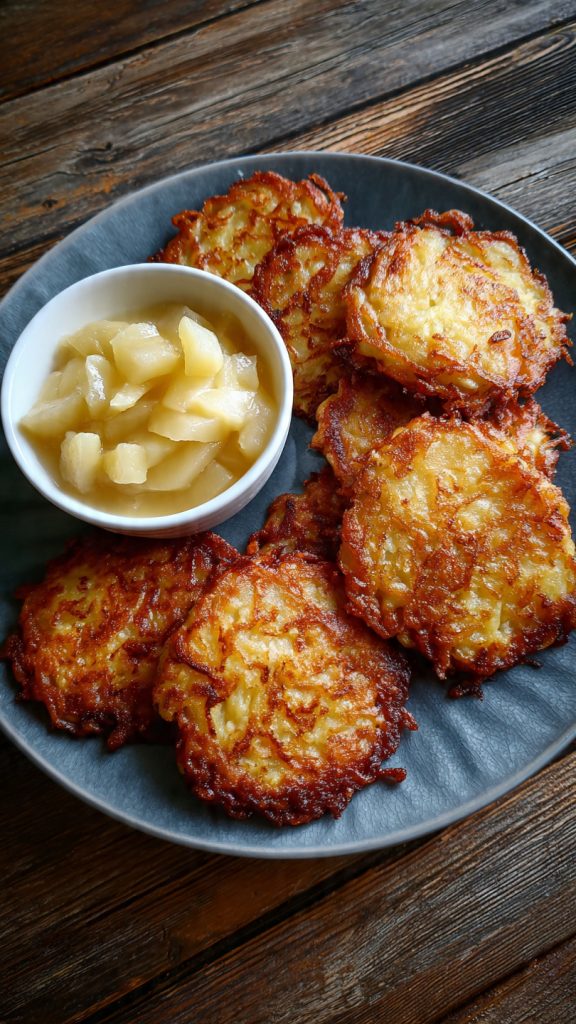
There’s something wonderfully comforting about German Potato Pancakes—those crisp, craggy edges giving way to a tender, savory center. Known as Kartoffelpuffer or Reibekuchen, they’re the kind of dish that brings everyone to the kitchen the second they hit the skillet. In this recipe, I’ll walk you through exactly how to make them golden and crunchy every time, with easy steps, smart tips, and a few serving ideas that make them shine. Whether you’re planning a cozy weekend breakfast, a hearty side, or a festive nibble, these potato pancakes will become a recipe you’ll want to make on repeat.
Here’s what you can expect: a straightforward, no-fuss method that keeps the texture just right, time-saving prep suggestions, and little extras like how to keep them crisp and how to reheat leftovers so they taste freshly cooked. If you’re new to making potato pancakes, don’t worry—I’ll be right beside you with every step. If you’ve made them before, this version may become your new go-to.
What Makes These German Potato Pancakes Irresistible
German Potato Pancakes are special because they marry simple, humble ingredients—potatoes, onion, eggs—into something beautifully satisfying. The exterior fries to a deep golden crisp while the inside stays soft and almost creamy. They’re incredibly adaptable: serve them with applesauce for a classic sweet-savory contrast, or add a dollop of sour cream and chives for a more savory edge. They pair effortlessly with sausages, roasted meats, or a big salad if you want a lighter meal. Most of all, they invite gathering. There’s almost always a crowd around the stove, waiting for the next batch.
What You’ll Need: Ingredients & Their Roles
- Starchy potatoes (about 2 lb / 900 g, such as Russet or Maris Piper): The star of the show. High starch content helps the pancakes hold together and crisp up beautifully.
- Yellow onion (1 small): Adds subtle sweetness and savory depth. Grated onion blends seamlessly into the batter.
- Eggs (2 large): Bind the ingredients and contribute to a rich, cohesive texture.
- All-purpose flour (3 tablespoons) or potato starch: Helps absorb moisture and gives structure for crisp edges. Potato starch keeps the recipe gluten-free.
- Salt (about 1 teaspoon): Brings out the potato flavor; season generously but taste as you go.
- Freshly ground black pepper (1/2 teaspoon): Adds warmth and balance without overpowering.
- Ground nutmeg (a pinch, optional): Traditional in some German kitchens; just a whisper enhances the potatoes.
- Neutral frying oil (sunflower, canola, or clarified butter/ghee): You’ll need enough to generously coat the pan. The right oil ensures even browning and crispness.
- Applesauce, sour cream, or herbed yogurt (for serving): Classic and refreshing accompaniments that complement the savory pancakes.
- Fresh chives or parsley (optional garnish): Adds color and a gentle herbal note.
How to Cook German Potato Pancakes, Step by Step
- Prep your station. Set out a large mixing bowl, a fine-mesh sieve or colander, a clean kitchen towel, and a sturdy skillet (cast iron or heavy nonstick works best). Line a baking sheet with a wire rack for holding finished pancakes. Preheat your oven to 200°F (95°C) to keep batches warm.
- Peel and grate the potatoes. Peel the potatoes and grate them on the large holes of a box grater (or use a food processor with a grating disc). Work quickly to minimize browning; if needed, you can grate into a bowl of cold water to slow oxidation.
- Grate the onion. Grate the onion on the same large holes. This ensures the onion melds into the batter instead of staying chunky.
- Drain thoroughly. Place the grated potatoes and onion into a colander set over a bowl, or into the center of a clean kitchen towel. Squeeze firmly to press out as much liquid as possible. The drier the mixture, the crisper the pancakes.
- Capture the potato starch. If you squeezed over a bowl, let the collected liquid sit for 3–5 minutes. You’ll see white starch settling at the bottom. Carefully pour off the water and scrape the potato starch back into your mixing bowl—this little step helps bind the batter naturally.
- Mix the batter. In a large bowl, combine the drained potato-onion mixture, eggs, salt, pepper, and a pinch of nutmeg if using. Sprinkle in the flour or potato starch and mix just until evenly combined. The mixture should be cohesive but not soupy. If it feels wet, add another teaspoon or two of flour.
- Heat the skillet and oil. Set your skillet over medium to medium-high heat and add enough oil to coat the surface generously (about 2–3 tablespoons to start). You want a shimmering surface and a gentle sizzle when the batter hits the pan.
- Form and fry. Scoop 2 to 3 tablespoons of batter per pancake into the hot oil and flatten gently with the back of a spoon to about 1/4 inch (6 mm) thick. Don’t overcrowd the pan—leave space for flipping.
- Cook until golden. Fry 3–4 minutes on the first side, or until deep golden at the edges. Flip carefully and cook another 2–4 minutes, adjusting heat to prevent burning. The goal is an evenly browned, crunchy exterior and a cooked-through center.
- Drain and keep warm. Transfer pancakes to the rack-lined baking sheet and keep in the warm oven while you continue with the remaining batter. Add a little more oil to the pan as needed between batches.
- Taste and adjust. Fry one tester pancake and taste it. If needed, add a pinch more salt or pepper to the batter before continuing. Small adjustments make a big difference.
- Serve immediately. Enjoy hot with applesauce for a classic touch, or top with sour cream and chives. They’re also wonderful alongside roasted meats or a crisp green salad.
Timing and Prep at a Glance
These potato pancakes come together with simple steps, and most of the time is spent frying in batches. Here’s a quick look so you can plan your meal:
- Prep time: 20–25 minutes (peeling, grating, draining, mixing)
- Cook time: 20–30 minutes, depending on skillet size and batch count
- Total time: Approximately 45–55 minutes
- Yield: About 12–16 pancakes (serves 4 as a meal or 6 as a side)
Potato pancakes are at their absolute best straight from the skillet or after a brief hold in a warm oven. They’re ready to enjoy when the edges are deep golden and audibly crisp. If you’re cooking for a group, keep finished pancakes on a wire rack in a 200°F (95°C) oven so they stay crunchy rather than steaming on a plate.
Pro Tips for Crispy, Golden Pancakes
- Choose the right potato. Starchy varieties like Russet or Maris Piper produce a crisp exterior and tender interior. Waxy potatoes can yield a denser texture.
- Squeeze like you mean it. Excess moisture is the enemy of crispness. Press the grated potatoes and onion until they’re as dry as you can manage.
- Reclaim the starch. Let the squeezed liquid settle and stir the starch back into the batter; it’s a classic trick that improves binding without extra flour.
- Mind your heat. Medium to medium-high heat is ideal. If the oil smokes, it’s too hot; if the pancakes barely sizzle, increase the heat slightly. You’re aiming for steady bubbling.
- Don’t overcrowd. Fry in batches with room to flip and for air to circulate. Overcrowding drops the pan temperature and softens the crust.
- Use a rack, not paper towels. A wire rack keeps pancakes crisp on all sides. Paper towels can trap steam and soften the bottoms.
- Try ghee for extra flavor. Clarified butter or ghee adds a nutty aroma and browns beautifully without burning too quickly.
- Flavor variations are welcome. Stir in chopped chives, parsley, or a bit of grated apple for subtle sweetness. Just keep add-ins modest so the pancakes stay cohesive.
- Reheat like a pro. Warm leftovers in a 400°F (200°C) oven or an air fryer for 5–8 minutes to restore their crispness. Avoid the microwave if possible.
Nutrition at a Glance
These values are estimates for one serving (about 3 pancakes) without toppings, assuming the recipe yields 12 pancakes. Actual amounts may vary based on oil absorption and exact ingredients.
- Calories: ~300–340
- Protein: ~7–9 g
- Carbohydrates: ~45–50 g
- Total Fat: ~10–14 g
- Saturated Fat: ~2–4 g
- Fiber: ~4–5 g
- Sodium: ~350–450 mg
If you’re watching sodium, reduce the added salt slightly and rely on fresh herbs or a squeeze of lemon to brighten flavors. For a gluten-free version, simply use potato starch or a certified gluten-free flour in place of wheat flour.
Questions People Often Ask
Can I bake these instead of frying?
Yes. Brush or spray a parchment-lined sheet pan with oil, spoon on the batter, flatten gently, and brush the tops with a little more oil. Bake at 425°F (220°C) for 12–15 minutes, flip, and bake another 8–10 minutes until golden. They won’t be quite as shatter-crisp as fried, but they’re still delicious and lighter.
What’s the best potato for the crispiest results?
Use starchy potatoes like Russet or Maris Piper. Their higher starch and lower moisture content promote a better crust and help the pancakes hold together. Waxy potatoes will make softer, denser pancakes.
How do I keep them warm and crisp for a crowd?
Place pancakes on a wire rack set over a baking sheet in a 200°F (95°C) oven as you work through batches. Avoid stacking them while they’re hot. If you need to hold them a bit longer, keep the oven low and the rack method will maintain their crunch.
A Cozy Closing Note
Cooking German Potato Pancakes has a way of turning an ordinary day into something memorable. The sizzle in the skillet, the aroma of onion and potato, the first bite of crisp edge—these small moments invite people to linger and share the table. Whether you serve them simply with applesauce or dress them up with herbs and sour cream, you’ll find that the real magic is in making them for the people you love. Here’s to warm kitchens, golden pancakes, and the joy of cooking something heartwarming from simple ingredients.