
Keto Protein Muffins Recipe: Easy, Low-Carb Breakfast Treats
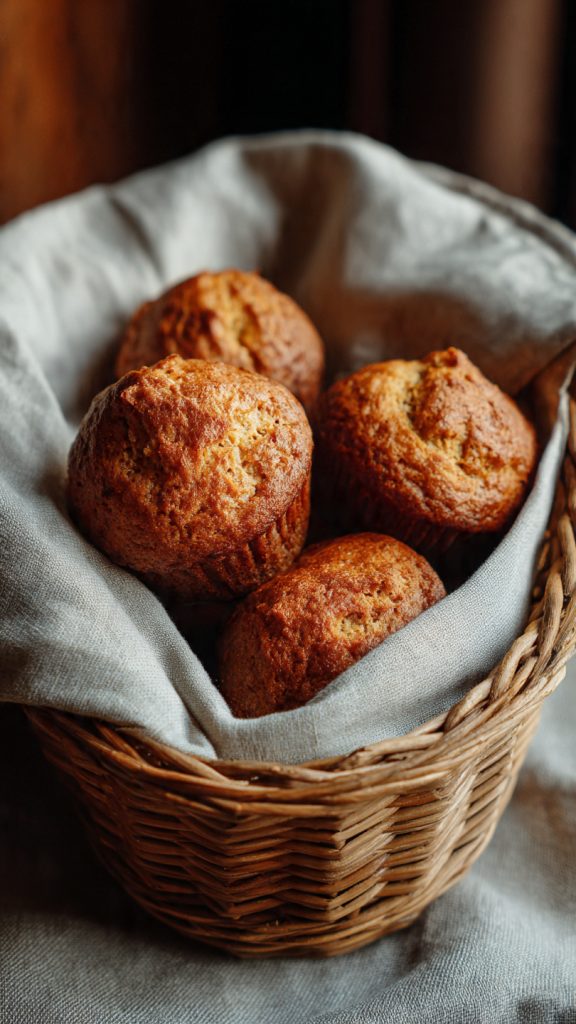
If you’ve been craving a muffin that’s tender, satisfying, and friendly to your low-carb lifestyle, you’re in the right place. These Keto Protein Muffins deliver a bakery-style bite with a beautifully moist crumb, a gentle sweetness, and a solid dose of protein to keep you energized. They’re perfect for busy mornings, post-workout snacks, or a cozy afternoon treat with a cup of coffee. In this recipe, I’ll walk you through exactly how to make them at home, what ingredients work best, and how to tweak the flavors to suit your mood. Think of me as your kitchen companion, just a step away, making sure each muffin comes out golden, fluffy, and delicious.
Why These Keto Protein Muffins Will Win You Over
There’s something wonderfully comforting about a warm muffin, and these hit that spot without the sugar spree. They’re designed to be sturdy enough for meal prep yet tender enough for a special brunch. Expect a lightly sweet, balanced flavor, a pleasant lift from baking powder and vinegar, and a subtle vanilla-cinnamon warmth.
- Low in net carbs: A smart blend of almond flour and a touch of coconut flour keeps carbs in check.
- Protein-packed: Whey or plant-based protein makes these muffins genuinely filling.
- Moist and tender: Greek yogurt (or dairy-free yogurt) brings moisture without excess carbs.
- Versatile: Add sugar-free chocolate chips, nuts, or warm spices to match your cravings.
- Meal-prep friendly: They freeze like a dream and reheat beautifully for quick breakfasts.
Whether you follow a keto lifestyle or simply want a balanced, better-for-you muffin, this recipe offers flexibility and comfort in every bite.
What You’ll Need to Make Keto Protein Muffins
Here’s a quick look at each ingredient and the role it plays. This way, you can substitute with confidence and know why each item matters.
- Almond flour (1 1/2 cups, about 168 g) – The primary low-carb flour that provides structure and a delicate, nutty flavor.
- Coconut flour (2 tablespoons) – Adds body and helps absorb moisture; a little goes a long way.
- Unflavored or vanilla protein powder (1/2 cup) – Boosts protein and helps the muffins set; whey isolate or a smooth plant blend works best.
- Baking powder (2 teaspoons) – Ensures lift and a nicely domed top.
- Fine sea salt (1/4 teaspoon) – Balances sweetness and enhances overall flavor.
- Ground cinnamon (1/2 teaspoon) – Adds cozy warmth; adjust to taste or swap for pumpkin spice.
- Granulated erythritol or monk fruit blend (1/2–2/3 cup) – Sweetness without sugar; choose your preferred sweetness level.
- Large eggs (3, room temperature) – Bind the batter and provide structure.
- Greek yogurt or unsweetened coconut yogurt (1/2 cup) – Keeps the crumb moist and soft while adding a little tang.
- Unsweetened almond milk (1/3–1/2 cup) – Loosens the batter to scoopable consistency; start with 1/3 cup and adjust.
- Melted butter or coconut oil (1/4 cup) – Adds richness and tenderness.
- Vanilla extract (1 1/2 teaspoons) – Rounds out the flavor and complements the cinnamon.
- Apple cider vinegar (1 teaspoon) – Reacts with baking powder for a better rise and a fine crumb.
- Optional mix-ins (1/2 cup total) – Sugar-free chocolate chips, finely chopped nuts, or a sprinkle of unsweetened shredded coconut for texture and variety.
- Optional: Ground flaxseed or psyllium husk (1–2 tablespoons) – Adds fiber and a softer structure; helpful if your protein powder is very absorbent.
Tip: For the most consistent results, weigh your almond flour and protein powder. Small differences in density can change the batter’s texture.
How to Make Keto Protein Muffins, Step by Step
- Preheat your oven to 350°F (175°C). Line a standard 12-cup muffin pan with paper liners or lightly grease with butter or coconut oil.
- In a large bowl, whisk together the almond flour, coconut flour, protein powder, baking powder, salt, and cinnamon until no lumps remain. If using flax or psyllium, whisk it in now.
- In a medium bowl, whisk the sweetener, eggs, yogurt, almond milk (start with 1/3 cup), melted butter or oil, vanilla, and apple cider vinegar until smooth and cohesive.
- Pour the wet ingredients into the dry ingredients. Using a spatula, fold gently until the batter is just combined. Avoid overmixing to keep the muffins tender.
- Check the batter. It should be thick yet spoonable—think soft scoopable rather than pourable. If it seems too thick or dry, stir in the remaining almond milk, 1 tablespoon at a time.
- Fold in any optional mix-ins, such as sugar-free chocolate chips or nuts. Keep total mix-ins to about 1/2 cup to maintain a good rise.
- Divide the batter evenly among the 12 muffin cups, filling each about 3/4 full. A standard ice cream scoop helps portion neatly and consistently.
- Optional: Sprinkle a few extra chocolate chips or a light dusting of cinnamon on top of each muffin for a bakery-style finish.
- Bake for 18–22 minutes, or until the tops are lightly golden and a toothpick inserted into the center comes out mostly clean with a few moist crumbs.
- Let the muffins cool in the pan for 10 minutes, then transfer them to a wire rack to finish cooling. This helps set the crumb and prevents them from getting soggy.
- Taste test time: Enjoy one warm, or let them cool fully before storing. The flavor and texture actually improve after resting for an hour.
Note: Different protein powders absorb liquid differently. If your batter sits for a few minutes and becomes too thick, simply fold in an extra splash of almond milk.
Time, Temperature, and Make-Ahead Notes
- Prep time: About 15 minutes, including measuring and mixing.
- Bake time: 18–22 minutes at 350°F (175°C).
- Cooling: 10 minutes in the pan, then 10–15 minutes on a rack.
- Total time: Roughly 45–50 minutes from start to finish.
- Yield: 12 standard muffins.
These muffins are ready to enjoy once they’re cool enough to handle, but they’re at their best after resting briefly to let the flavors settle. For meal prep, bake a batch on Sunday and store in an airtight container for the week—or freeze for longer storage.
Little Tricks for Big Results
- Choose your protein wisely: Whey isolate tends to produce a lighter crumb, while casein or some plant blends can make the texture denser. If using plant protein, add 1–2 tablespoons extra almond milk to keep the batter scoopable.
- Don’t overmix: Fold gently as soon as the wet and dry ingredients are incorporated. Overmixing can make muffins tough.
- Room-temperature eggs: Cold eggs can cause the butter to seize and the batter to thicken unevenly. Let them sit out for 10 minutes if needed.
- Mind the sweetness: Keto sweeteners vary in strength. If your blend is sweeter than erythritol, start at the lower end (1/2 cup) and adjust next time.
- Scale for consistency: If you can, weigh your almond flour and protein powder. It’s the secret to repeatable results.
- Rest the batter briefly: Letting the batter sit for 2–3 minutes allows coconut flour and protein to hydrate, making portioning easier.
- Avoid overbaking: Pull them when a toothpick shows moist crumbs. Protein treats can dry out quickly if left too long.
- Flavor twists: Stir in orange zest and a pinch of cardamom for brightness, or go savory with 1/2 cup shredded cheddar and a pinch of garlic powder (omit sweetener for a brunch-ready option).
- Mini muffins: Bake 24 minis for 10–12 minutes. Great for snacks and lunch boxes.
- Storage smarts: Keep in an airtight container at room temp for 1–2 days, refrigerate up to 5 days, or freeze up to 2 months. Rewarm gently in the microwave or toast oven.
Nutrition at a Glance
Nutrition will vary with your protein powder and mix-ins, but here’s an approximate snapshot for one muffin (based on 12 muffins, whey isolate, and no chocolate chips):
| Nutrient | Per Muffin (Approx.) |
|---|---|
| Calories | 180–200 |
| Protein | 12–14 g |
| Total Fat | 12–14 g |
| Total Carbs | 5–7 g |
| Fiber | 2–4 g |
| Net Carbs | 3–4 g |
| Sugar | 0–2 g (from dairy or yogurt) |
| Sodium | 150–220 mg |
Tip: If you add sugar-free chocolate chips or nuts, expect a slight increase in calories and fat. For ultra-low net carbs, keep mix-ins minimal and stick to the base recipe.
Your Questions, Answered
What’s the best protein powder for these muffins?
Whey isolate is a favorite for a lighter, more cake-like crumb and a clean finish. Whey concentrate can work, though it may be slightly denser. For dairy-free, choose a smooth plant-based blend (pea with a bit of rice works well) and add 1–2 tablespoons extra almond milk if the batter thickens too much. Avoid gritty powders or those with strong flavors unless that’s your goal.
How do I store and freeze them without losing texture?
Let muffins cool completely, then store in an airtight container. At room temperature, they’re best within 1–2 days. For longer storage, refrigerate up to 5 days. To freeze, wrap each muffin individually or place parchment between layers in a freezer-safe bag; freeze up to 2 months. Rewarm gently in the microwave for 15–25 seconds or in a 300°F (150°C) oven for 6–8 minutes to refresh the crumb.
Can I make them dairy-free or change the sweetener?
Yes. Use coconut yogurt and coconut oil instead of Greek yogurt and butter, and choose a plant protein you enjoy. For sweetener, erythritol and monk fruit blends both work well; adjust the amount to suit your taste and the potency of your brand. Liquid stevia alone can be tricky in baking due to volume and structure, but a stevia-erythritol blend is a reliable choice.
A Warm Send-Off
There’s a special kind of joy in pulling a tray of fresh muffins from the oven—warm, fragrant, and ready to share. These Keto Protein Muffins bring that moment within easy reach, even on busy days. Keep a batch on hand for family breakfasts, pack one for the gym bag, or set out a plate when friends drop by. With a few simple ingredients and a little time, you’ll have a wholesome treat that fits your goals and your lifestyle. I hope this recipe becomes one you return to often, adapt to your tastes, and enjoy with the people you love.