
Old Fashioned Pancakes Breakfast Recipe: Fluffy & Easy Guide
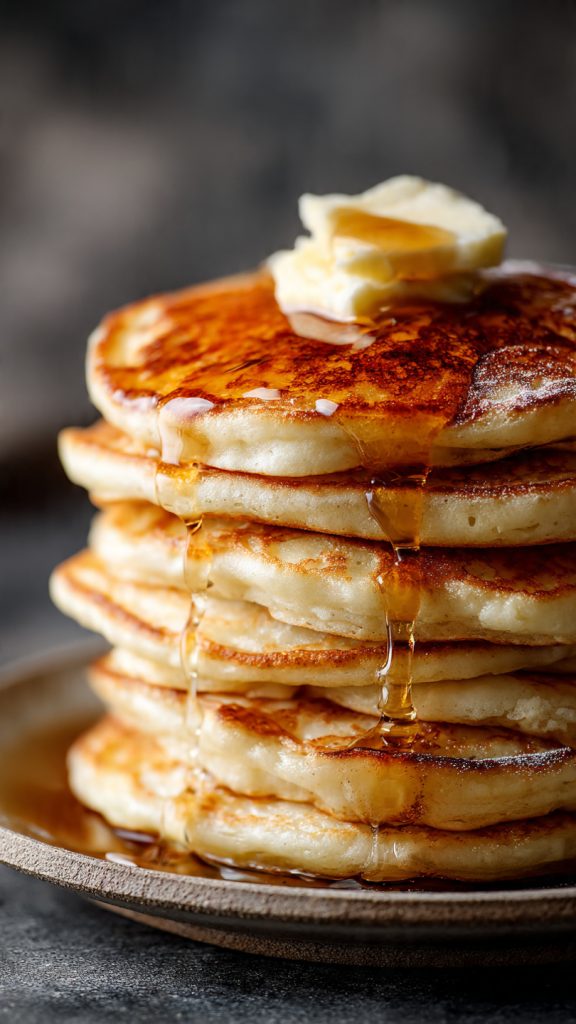
If there’s one breakfast that feels like a warm hug on a slow morning, it’s a stack of old fashioned pancakes. Fluffy in the middle, lightly crisp on the edges, and fragrant with butter, these pancakes are the kind that invite you to linger at the table. This recipe is straightforward and reliable—no special equipment, no tricky techniques—just a bowl, a whisk, and a hot skillet. You can expect golden rounds that puff gently as they cook, a batter that comes together in minutes, and a kitchen that smells delightfully cozy. Whether you’re serving a crowd or just treating yourself, these pancakes bring a little bit of weekend magic to any day.
Why These Old Fashioned Pancakes Win Hearts
Old fashioned pancakes are special because they’re timeless. They rely on simple pantry ingredients and a few thoughtful steps to deliver that classic diner-style texture: tender inside, gently browned outside, and evenly risen. Their flavor is subtle—just the right balance of milk, butter, and a hint of sweetness—which makes them a perfect canvas for your favorite toppings. They’re also wonderfully forgiving, so even if it’s your first time making pancakes from scratch, you’ll find this recipe encouraging and dependable. Best of all, they’re ready fast, which means you get more time to enjoy breakfast and less time hovering over the stove.
What You’ll Need: Ingredients and Their Roles
- All-purpose flour (1 cup / 120 g): The backbone of the batter, providing structure for a soft, fluffy crumb.
- Granulated sugar (2 tablespoons): Adds subtle sweetness and promotes gentle browning on the griddle.
- Baking powder (1 tablespoon): The key leavener that gives pancakes their rise and pillowy texture.
- Fine salt (1/2 teaspoon): Enhances flavor and balances the sweetness.
- Milk, preferably 2% or whole (3/4 to 1 cup): Hydrates the batter; a thicker batter makes puffier pancakes, a thinner one cooks more evenly—adjust to preference.
- Large egg (1): Binds the batter and adds richness and tenderness.
- Unsalted butter, melted (2 tablespoons): Brings classic buttery flavor and helps create a tender crumb.
- Vanilla extract (1 teaspoon, optional): Subtle warmth and aroma, especially nice if serving without many toppings.
- Butter or neutral oil for the pan: Prevents sticking and contributes to those delicate, crisp edges.
Optional add-ins: A handful of chocolate chips, blueberries, or a pinch of cinnamon can personalize your pancakes without complicating the process.
Your Step-by-Step Roadmap to Perfect Pancakes
- Set up your station: Place a large mixing bowl and whisk on the counter. Heat a griddle to about 375°F (190°C) or warm a large skillet over medium heat so it’s ready when your batter is.
- Combine dry ingredients: In the bowl, whisk together the flour, sugar, baking powder, and salt until evenly mixed. This prevents clumps and ensures the leavener is distributed well.
- Whisk the wet ingredients: In a separate small bowl or measuring cup, whisk milk, egg, melted butter, and vanilla (if using) until smooth. If the butter is very hot, let the mixture sit for a minute so it doesn’t scramble the egg.
- Bring it together: Pour the wet mixture into the dry ingredients. Whisk gently until just combined. A few small lumps are fine. Avoid overmixing, which can make pancakes tough.
- Adjust consistency: If the batter seems too thick to pour, add a splash more milk. If too thin, add a tablespoon of flour. You’re aiming for a thick but pourable batter that lazily ribbons off the spoon.
- Let the batter rest (5 minutes): This short rest hydrates the flour and lets the baking powder start its magic. The result: fluffier pancakes.
- Grease the hot surface: Lightly brush the griddle or skillet with butter or oil. You want a thin film—enough to prevent sticking and encourage browning, but not so much that the pancakes fry.
- Portion the batter: Using a 1/4-cup scoop, pour rounds of batter onto the hot surface. Leave space for spreading. If adding mix-ins like blueberries, scatter them over the surface of each pancake now.
- Watch for bubbles and set edges: Cook for 2 to 3 minutes, until bubbles form across the surface and the edges look slightly set. The underside should be golden, not dark.
- Flip with confidence: Slide a spatula fully underneath and turn the pancake in one smooth motion. Cook the second side for 1 to 2 minutes, until lightly browned and cooked through.
- Hold warm while you finish: Transfer cooked pancakes to a baking sheet and keep them in a 200°F (95°C) oven. This keeps them soft and warm without drying out.
- Serve and enjoy: Stack the pancakes and finish with butter, warm maple syrup, fresh fruit, or a dollop of yogurt. Serve immediately for the best texture.
Timing and Planning: What to Expect
- Prep time: 10 minutes
- Rest time: 5 minutes
- Cook time: 12 to 15 minutes (for 8–10 pancakes in batches)
- Total time: About 30 minutes
- Yield: Approximately 8–10 pancakes (4 servings)
These pancakes are at their best straight off the griddle—hot, aromatic, and perfectly tender. If you’re cooking for a group, keep batches warm in the oven as you go. Leftovers can be cooled completely, then refrigerated or frozen for quick breakfasts later. They reheat beautifully in a toaster or warm skillet, so you can enjoy that fresh-from-the-pan feel even on busy mornings.
Smart Tips for Pancake Perfection
- Measure lightly: Spoon flour into your measuring cup and level it off. Packing flour can lead to dense, dry pancakes.
- Avoid overmixing: Stir until combined with some small lumps remaining. Overmixing develops gluten and toughens the texture.
- Rest the batter: Even five minutes makes a difference in lift and tenderness.
- Mind the heat: Medium heat is your friend. If the pan is too hot, pancakes burn outside before they cook through; too cool, and they won’t brown nicely.
- Test pancake: Cook one small pancake first to check heat and consistency. Adjust with a splash of milk or a pinch of flour as needed.
- Don’t overgrease: A light coating of butter or oil gives you crisp, golden edges without frying the batter.
- Flip once: Wait for bubbles to cover the surface and edges to set before flipping. Flipping multiple times deflates them.
- Warm your syrup: Heating maple syrup slightly keeps pancakes from cooling too quickly and enhances flavor.
- Customize gently: Fold in chocolate chips, berries, or nuts at the end to avoid streaking and overmixing.
- Make-ahead batter: Mix the dry ingredients the night before. In the morning, add the wet ingredients for fresh pancakes with minimal effort.
- Gluten-free option: Use a 1:1 gluten-free flour blend with xanthan gum; add an extra tablespoon of milk if needed to match the original texture.
- Dairy-free swap: Substitute your favorite non-dairy milk and use oil instead of butter. A touch of vanilla helps keep the classic flavor.
- Keep them warm: A low oven (around 200°F/95°C) preserves moisture and texture while you cook in batches.
- Freeze for later: Cool completely, stack with parchment between pancakes, then freeze in a zip-top bag. Reheat in the toaster or oven.
Nutrition at a Glance
Approximate nutrition per serving (two 4-inch pancakes), without toppings:
| Calories | 280 |
| Protein | 7 g |
| Carbohydrates | 39 g |
| Total Fat | 9 g |
| Saturated Fat | 5 g |
| Fiber | 1 g |
| Total Sugars | 8 g |
| Sodium | 400 mg |
These values will vary based on the exact ingredients and how much fat you use in the pan. Toppings such as butter and syrup will increase calories and sugars. If you prefer lighter pancakes, reduce the sugar slightly and use a nonstick spray for the pan.
Questions People Often Ask
Can I make the batter ahead of time?
You can whisk the dry ingredients and wet ingredients separately the night before, then combine them in the morning. Once combined, try to cook the batter within 30 minutes for the best rise.
Why are my pancakes flat or dense?
Common causes include overmixing the batter, expired baking powder, or a pan that’s too hot. Stir gently, check your leavener’s freshness, and cook over medium heat.
How do I know when to flip?
Look for bubbles forming across the surface and slightly set edges. Gently lift a corner to peek—if the underside is golden, it’s time to flip.
A Warm Send-Off
There’s something quietly joyful about whisking batter while the pan warms and the kitchen fills with the scent of butter. Old fashioned pancakes don’t ask for much—just a few ingredients, a bit of patience, and someone to share them with. Whether you keep them simple with maple syrup or dress them up with berries and yogurt, they bring people to the table and invite conversation. Make a stack for a cozy weekend, or tuck a few into the freezer for a weekday treat. With this recipe in your back pocket, a comforting, from-scratch breakfast is always within reach. Enjoy every bite, and every moment it brings to your morning.